
Anti-Allergy & Asthma Medications Australia — Ventolin, Zyrtec
RedstoneRX supplies TGA-compliant anti-allergy and asthma medications for Australians managing respiratory conditions and allergic disease. Australia has one of the highest rates of asthma and allergic rhinitis in the world — approximately 1 in 9 Australians has asthma and 1 in 5 experiences hay fever (allergic rhinitis). Our anti-allergy category includes salbutamol (Ventolin) inhalers and tablets for bronchospasm, and cetirizine (Zyrtec) for allergic rhinitis, urticaria and hay fever — all pharmaceutical-grade generics meeting TGA standards.
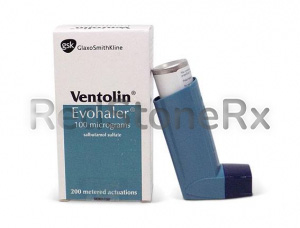
- Ventolin Inhaler (Salbutamol Sulfate 100mcg/actuation) — Schedule 3 — Pharmacist Only. No prescription required for emergency or single-inhaler supply. One inhaler per person per pharmacist visit. Available on PBS with a prescription at subsidised cost.
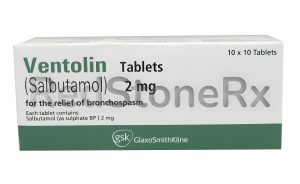
- Ventolin Pills (Salbutamol oral tablets) — Schedule 4 — Prescription Only. A valid Australian prescription is required. Oral salbutamol is a specialist-directed medication used in specific clinical situations.
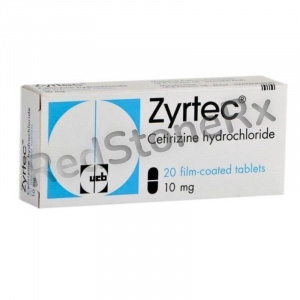
- Zyrtec (Cetirizine Hydrochloride 10mg) — Schedule 2 — Pharmacy Medicine. No prescription required. Available directly from a pharmacy for hay fever and allergic rhinitis.
Products at a Glance — Scheduling and Key Uses
Ventolin Inhaler — Salbutamol SABA Rescue Inhaler
Ventolin Inhaler contains salbutamol sulfate 100 micrograms per actuation — a short-acting beta-2 adrenergic agonist (SABA) that is the standard rescue inhaler for acute asthma and COPD bronchospasm in Australia. Salbutamol activates beta-2 adrenoreceptors in bronchial smooth muscle, causing rapid relaxation and bronchodilation — effects begin within 3–5 minutes and last 4–6 hours. It is the most commonly used acute bronchodilator in Australia and is included on the WHO List of Essential Medicines.
TGA Scheduling — Important S3 Rules for Salbutamol Inhalers
Salbutamol inhalers are unique in the Australian scheduling system — they are Schedule 3 but with specific supply restrictions:
- A pharmacist can supply one inhaler per person per supply without a prescription — for emergency use or when a prescription has been lost
- The pharmacist must confirm the patient has asthma, COPD, exercise-induced bronchospasm or other known condition causing bronchospasm before supplying
- Patients requiring more than one inhaler should see their GP for a prescription — ongoing frequent use of SABA without a prescription or asthma action plan is clinically inappropriate
- With a valid prescription, salbutamol is listed on the PBS at the standard co-payment, substantially reducing cost
Standard Dosing — Salbutamol Inhaler
| Indication | Dose | Frequency | Notes |
|---|---|---|---|
| Acute asthma / bronchospasm relief | 1–2 puffs (100–200 mcg) | As needed; may repeat after 20 minutes if no relief | Use spacer device where possible. If no improvement after 4 puffs, call 000 |
| Exercise-induced bronchospasm prevention | 1–2 puffs | 15–30 minutes before exercise | Prevention of exercise-triggered symptoms |
| COPD bronchospasm | 1–2 puffs (100–200 mcg) | Up to 4× daily as needed | Regular COPD management requires additional preventer — consult GP |
| Severe acute asthma (emergency) | 4–8 puffs via spacer every 20 min | Up to 3 times — then call 000 | Written Asthma Action Plan should guide dose in severe episodes |
Ventolin Pills — Oral Salbutamol Tablets
Oral salbutamol tablets contain the same active molecule as the Ventolin inhaler but in an oral (swallowed) formulation that produces systemic bronchodilation. In Australia, oral salbutamol is a Schedule 4 prescription-only medicine and is prescribed in specific clinical situations where inhaled therapy is not appropriate or sufficient — including certain cases of chronic reversible airway obstruction and, historically, as a tocolytic agent in preterm labour (though other agents are now preferred).
Key clinical distinction — inhaler vs tablets
For the treatment of acute asthma, inhaled salbutamol via puffer or nebuliser is always preferred over oral tablets. The inhaled route delivers salbutamol directly to the bronchial smooth muscle, producing a faster onset (3–5 minutes vs 30–60 minutes oral) at much lower doses — with significantly fewer systemic side effects (tremor, tachycardia, hypokalaemia). Oral salbutamol is not appropriate for acute asthma attacks. A prescription from a GP or respiratory specialist is required for all oral salbutamol formulations in Australia.
| Parameter | Inhaler (S3) | Oral tablets (S4) |
|---|---|---|
| Route | Inhaled (direct to lungs) | Oral (systemic) |
| Onset | 3–5 minutes | 30–60 minutes |
| Typical dose | 100–200 mcg per dose | 2–4mg 3–4× daily |
| Systemic side effects | Minimal at standard dose | More prominent — tremor, tachycardia, hypokalaemia |
| Acute asthma? | Yes — first choice | No — not appropriate |
| TGA Schedule | S3 — Pharmacist Only | S4 — Prescription Only |
| Prescription required? | No (single emergency supply) | Yes — always |
Zyrtec — Cetirizine Hydrochloride 10mg Antihistamine
Zyrtec Generic contains cetirizine hydrochloride 10mg — a second-generation H1 antihistamine used for the relief of hay fever (seasonal and perennial allergic rhinitis), urticaria (hives), and other allergic conditions. Unlike first-generation antihistamines (promethazine, chlorphenamine), cetirizine has low CNS penetration and causes minimal sedation at standard doses — making it appropriate for daytime use. It is a Schedule 2 Pharmacy Medicine in Australia — no prescription required. One 10mg tablet provides 24-hour symptom relief.
Conditions treated by cetirizine in Australia
- Seasonal allergic rhinitis (hay fever) — sneezing, runny nose, nasal congestion, itchy/watery eyes triggered by pollen. Particularly relevant during Australia's spring and summer pollen season
- Perennial allergic rhinitis — year-round symptoms triggered by dust mites, pet dander, mould — very common in Australian homes
- Urticaria (hives) — itchy raised welts on the skin; cetirizine is highly effective for both acute and chronic urticaria
- Allergic conjunctivitis — itchy, red, watery eyes associated with allergic rhinitis
- Allergic skin reactions — pruritus (itching), contact dermatitis, insect bite reactions
Dosing — Cetirizine 10mg
| Patient group | Dose | Frequency | Notes |
|---|---|---|---|
| Adults and children ≥12 years | 10mg (1 tablet) | Once daily | May take in morning or evening. Evening dosing if any drowsiness occurs |
| Children 6–11 years | 5mg (½ tablet) | Once daily | Consult pharmacist for paediatric dosing advice |
| Children 2–5 years | 2.5mg | Once daily or split twice daily | Use liquid formulation where available; consult pharmacist |
| Renal impairment (eGFR 11–30 mL/min) | 5mg | Once daily | Cetirizine is renally cleared; reduce dose in significant renal impairment |
| Hepatic impairment | 10mg | Once daily | No dose adjustment needed for hepatic impairment alone |
Cetirizine vs other antihistamines — Australia comparison
| Antihistamine | Generation | Sedation | Duration | Schedule (AU) |
|---|---|---|---|---|
| Cetirizine (Zyrtec) | 2nd | Low–mild (more than loratadine) | 24 hours | S2 — No Rx |
| Loratadine (Claratyne) | 2nd | Very low | 24 hours | S2 — No Rx |
| Fexofenadine (Telfast) | 2nd | Minimal | 24 hours | S2 — No Rx |
| Promethazine (Phenergan) | 1st | Significant — sedating | 6–12 hours | S3 — No Rx (OTC) |
| Chlorphenamine (older) | 1st | Significant | 4–6 hours | Various |
Allergies and Asthma in Australia — What You Need to Know
Australia has some of the highest rates of allergic and respiratory disease in the world. Understanding the difference between allergy-related conditions and selecting the right treatment is important for effective management.
| Condition | Trigger / cause | RedstoneRX product | Schedule |
|---|---|---|---|
| Asthma — acute bronchospasm | Allergens, exercise, infection, cold air, irritants | Ventolin Inhaler (salbutamol SABA) | S3 — Pharmacist Only |
| Hay fever (seasonal allergic rhinitis) | Grass, tree, weed pollen — spring/summer | Zyrtec (cetirizine) | S2 — Pharmacy Medicine |
| Perennial allergic rhinitis | Dust mites, pet dander, mould | Zyrtec (cetirizine) | S2 — Pharmacy Medicine |
| Urticaria (hives) | Food, drugs, insect bites, idiopathic | Zyrtec (cetirizine) | S2 — Pharmacy Medicine |
| COPD bronchospasm | Smoking history, chronic lung disease | Ventolin Inhaler | S3 — see GP for Rx and PBS |
| Exercise-induced bronchospasm | Exercise, cold or dry air | Ventolin Inhaler | S3 — preventive use |
From Dr. Sarah Collins, MPharm, AHPRA #PHY0012345: Australia's unique environment drives extremely high rates of both asthma and allergic disease. The 2023 update to Australian asthma guidelines is clinically significant — patients who are using their salbutamol reliever more than twice a week should be reviewed by their GP, because this frequency of SABA use indicates poorly controlled asthma that requires a preventer inhaler, not just more reliever. I see many patients who have used salbutamol alone for years without a preventer, which is now recognised as increasing the risk of severe asthma episodes. For hay fever, cetirizine is an excellent first-line antihistamine for most Australians — it is particularly effective for urticaria as well as rhinitis. Patients who find cetirizine mildly sedating can try fexofenadine (Telfast) which has the lowest sedation profile of the second-generation antihistamines. Both are available without a prescription.
Frequently Asked Questions — Anti-Allergy & Asthma Medications Australia
Do I need a prescription for Ventolin inhaler in Australia?
Not necessarily for emergency use. Salbutamol inhalers (Ventolin) are Schedule 3 (Pharmacist Only) — a pharmacist can supply one inhaler without a prescription when you present with asthma or COPD symptoms, or if you have lost your prescription. However, supply is limited to one inhaler per visit, and the pharmacist must confirm your condition before dispensing. For ongoing regular supply and PBS-subsidised pricing, a prescription from a GP is required. Patients needing more than one inhaler should see their GP.
Can I buy Zyrtec (cetirizine) without a prescription in Australia?
Yes. Cetirizine 10mg (Zyrtec) is Schedule 2 (Pharmacy Medicine) in Australia — no prescription is required. It is available directly from a pharmacy without a GP visit, for the treatment of hay fever, allergic rhinitis and urticaria in adults and children aged 2 and over (with age-appropriate doses). For children under 2, consult a GP before use.
How quickly does cetirizine work for hay fever?
Cetirizine typically begins to produce antihistamine effects within 1 hour of taking a 10mg dose, with peak effect occurring within 1–2 hours. Effects last for approximately 24 hours, making once-daily dosing sufficient. For best results for hay fever, take cetirizine regularly during the pollen season rather than only when symptoms are severe — continuous antihistamine coverage is more effective than intermittent dosing for allergic rhinitis.
What is the difference between Ventolin inhaler and Ventolin Pills?
Both contain salbutamol, but for entirely different uses and routes of administration. The Ventolin inhaler delivers salbutamol directly to the airways via inhalation — it acts within 3–5 minutes and is the appropriate treatment for acute asthma and bronchospasm. Ventolin oral tablets are a systemic (swallowed) formulation used in specific specialist-directed situations — they are not appropriate for acute asthma and require a GP prescription. For any acute breathing difficulty, the inhaler is always the correct choice.
What should I do if my Ventolin inhaler is not working?
If 4 puffs of salbutamol via spacer do not produce significant relief within 4 minutes, this is a medical emergency — call 000 immediately. Do not delay. Follow your Asthma Action Plan if you have one. While waiting for emergency services, continue giving 4 puffs every 4 minutes. Do not drive yourself to hospital in a severe attack. All Australians with asthma should have a written Asthma Action Plan provided by their GP.
Can I take cetirizine every day long-term?
Yes, cetirizine is generally safe for long-term daily use for chronic allergic conditions. However, recent TGA and FDA communications have noted that some individuals who take cetirizine or levocetirizine for an extended period (typically 6 months or more) may experience intense generalised itching (pruritus) when they stop the medication abruptly. This is an uncommon but recognised effect. If you plan to stop cetirizine after extended use, discuss gradual tapering with your pharmacist or GP rather than stopping suddenly.
This category page was reviewed by Dr. Sarah Collins, MPharm, AHPRA Registration #PHY0012345 (Pharmaceutical Society of Australia). Information is for general educational purposes only and does not replace professional medical advice. Salbutamol inhalers are Schedule 3 (single emergency supply without Rx), salbutamol oral tablets are Schedule 4 (Rx required), and cetirizine is Schedule 2 (no Rx required) under the Poisons Standard. In an acute asthma emergency, call 000. All Australians with asthma should have a written Asthma Action Plan. RedstoneRX complies with all TGA and Poisons Standard requirements for the supply of medicines in Australia.