


Three critical Bactrim warnings before use:
- Pregnancy — contraindicated: Bactrim is a folate antagonist and is contraindicated in the first trimester (neural tube defect risk) and at term (neonatal kernicterus risk). Do NOT take Bactrim if pregnant or planning pregnancy without explicit GP guidance.
- Potassium — hyperkalaemia risk: Trimethoprim blocks renal potassium excretion. Combined with ACE inhibitors, ARBs, or potassium-sparing diuretics, Bactrim can cause dangerous high potassium levels — a particular risk in older Australian patients on antihypertensives.
- Sulfonamide allergy: Do NOT take Bactrim if you have a known sulfonamide allergy — risk of severe reactions including Stevens-Johnson syndrome. Note: sulfonamide allergy does NOT predict penicillin allergy (see below).
Resprim Forte = Bactrim DS — The Australian Brand Name Equivalence
This is one of the most commonly asked questions by Australian patients, and the answer is unambiguous:
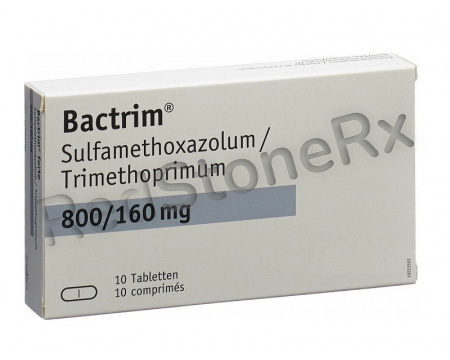
In Australian pharmacy practice, when a GP writes a prescription for "co-trimoxazole DS" or "Bactrim DS" or "Resprim Forte DS," these are therapeutically and legally interchangeable. Generic co-trimoxazole (SMX 800mg + TMP 160mg) from other manufacturers is equally interchangeable. The brand name you receive at the pharmacy depends on what the dispensary stocks — the clinical outcome is identical.
How Bactrim Works — Sequential Folate Blockade
Bactrim's mechanism is clinically elegant and explains both its effectiveness and its key safety considerations (particularly pregnancy and folate interactions):
Why this mechanism explains the pregnancy contraindication: Although human DHFR is far less sensitive to trimethoprim than bacterial DHFR, at therapeutic doses trimethoprim still has some effect on human folate metabolism — particularly in rapidly dividing cells. In the first trimester, when neural tube closure occurs, even partial folate pathway inhibition can disrupt development. This is the basis for the pregnancy contraindication — not direct foetal toxicity, but interference with the folate-dependent cell division required for normal foetal development.
Bactrim DS vs Standard Bactrim — Two Strengths
| Parameter | Bactrim Standard Resprim |
Bactrim DS (Double Strength) Resprim Forte |
|---|---|---|
| Sulfamethoxazole | 400 mg | 800 mg |
| Trimethoprim | 80 mg | 160 mg |
| Typical adult use | 2 tablets twice daily (= DS dose) Less common in AU practice |
1 tablet twice daily Standard adult dose |
| Paediatric use | Can be used for weight-based dosing | Suspension preferred for children |
What Bactrim Treats — Australian Infection Context
Urinary Tract Infections (UTI) — Primary Indication in Australia
Bactrim DS (co-trimoxazole) has long been a first-line treatment for uncomplicated UTIs in Australia. However, its efficacy depends critically on susceptibility — and E. coli resistance to trimethoprim is rising in Australian community isolates. Current context:
| UTI type | Bactrim DS dose | Duration | Notes |
|---|---|---|---|
| Uncomplicated UTI — women | 800/160 mg twice daily | 3 days | First-line where susceptibility confirmed or resistance rates <20%. Obtain urine culture where possible. |
| Complicated UTI / men | 800/160 mg twice daily | 7–14 days | Culture and sensitivity essential before starting — higher resistance rates in complicated presentations. |
| Pyelonephritis (kidney infection) | 800/160 mg twice daily | 14 days | Only if culture confirms susceptibility. Ciprofloxacin may be preferred empirically while awaiting culture due to resistance uncertainty. |
| Prophylaxis (recurrent UTI) | 400/80 mg daily (standard) | 3–6 months | Low-dose nightly prophylaxis for women with recurrent UTI — discuss with GP. Monitor for side effects with prolonged use. |
Australian resistance context (AURA data): E. coli resistance to trimethoprim in community urinary isolates varies by region but has been increasing — reaching 20–30% in some Australian populations. This means empirical Bactrim therapy for UTI (starting without a culture result) carries a meaningful failure risk. The Therapeutic Guidelines Australia now recommend urine culture before starting Bactrim for UTI where possible, particularly for complicated presentations, recurrent infection, or previous antibiotic use within 3 months.
Community MRSA Skin Infections
This is one of Bactrim's most important — and often underappreciated — uses in Australia. Community-associated MRSA (CA-MRSA) causes skin and soft tissue infections (cellulitis, abscesses, folliculitis) that do not respond to amoxicillin or cephalosporins because MRSA is resistant to all beta-lactam antibiotics. Bactrim works against MRSA through its folate pathway mechanism, which is completely independent of the PBP/cell wall target that MRSA has modified to resist beta-lactams.
Standard Bactrim DS for CA-MRSA skin infections: 800/160 mg twice daily for 5–7 days. Australian dermatology and infectious diseases guidelines recommend Bactrim as a preferred oral option for CA-MRSA skin infections — alongside doxycycline as an alternative. If you have a recurrent or treatment-resistant skin infection that has failed amoxicillin or other beta-lactams, culture and sensitivity testing and consideration of Bactrim or doxycycline is the appropriate next step.
Pneumocystis jirovecii Pneumonia (PCP) — Prophylaxis and Treatment
Bactrim is the gold standard treatment and prophylaxis for Pneumocystis jirovecii pneumonia — an opportunistic infection in immunocompromised patients including those with HIV/AIDS, organ transplant recipients, and patients on high-dose corticosteroids. For PCP prophylaxis: Bactrim DS once daily 3 times per week (or daily). For PCP treatment: high-dose co-trimoxazole (TMP 15–20 mg/kg/day) for 21 days. This indication uses significantly higher doses than UTI treatment — always under specialist guidance.
Traveller's Diarrhoea and Gastrointestinal Infections
Bactrim was historically used for traveller's diarrhoea caused by susceptible E. coli strains. However, rising resistance in travel-associated organisms has reduced its utility for this indication — ciprofloxacin or azithromycin are now preferred in most Australian travel medicine guidelines. Bactrim remains effective for specific pathogens including Isospora belli and some cases of Shigella where susceptibility is confirmed.

Bactrim and Alcohol — The Myth and the Reality
Many Australian patients are told "never drink alcohol on any antibiotic" — but this blanket advice is not supported by the pharmacology of most antibiotics, including Bactrim. Here is the accurate picture:
What Bactrim + Alcohol Does NOT Do
Bactrim does not inhibit acetaldehyde dehydrogenase — the enzyme that causes the disulfiram reaction with metronidazole. The severe nausea, vomiting, flushing, and cardiovascular effects seen with Flagyl + alcohol do not occur with Bactrim + alcohol. The widespread "all antibiotics cause alcohol reactions" belief is a myth for most agents including Bactrim.
1–2 standard drinks: no direct dangerous interaction with Bactrim
Why Moderation Is Still Advised
- Alcohol worsens nausea and GI side effects (common with Bactrim)
- Alcohol impairs immune function — counterproductive during infection treatment
- In UTI specifically: alcohol increases bladder irritation and urinary frequency
- Alcohol + dehydration worsens risk of Bactrim-related crystalluria (crystal formation in concentrated urine — stay hydrated)
- Alcohol affects sleep quality — essential for immune recovery
From Dr. Sarah Collins, MPharm, AHPRA #PHY0012345: The "no alcohol with antibiotics" advice is well-intentioned but often applied too broadly. For Bactrim, the alcohol interaction concern is primarily practical (worsening GI side effects, reducing sleep quality during illness) rather than pharmacological (no disulfiram reaction). I advise patients that 1–2 standard drinks are unlikely to cause direct harm from Bactrim-alcohol interaction — but heavy drinking during any serious bacterial infection is inadvisable for immune function reasons, regardless of the antibiotic used.
Bactrim Rash — What Type of Rash and What to Do
Skin rash is one of the more common side effects of Bactrim, occurring in approximately 3–7% of patients. The clinical significance varies enormously depending on the rash type:
Maculopapular rash — mild, manage with GP
Flat or slightly raised, non-blistering rash — the most common type. Typically appears 7–14 days into treatment. Usually resolves when Bactrim is stopped. Not life-threatening. Contact your GP to assess whether to stop treatment or complete the course with antihistamine support.
Urticarial rash — stop Bactrim, seek medical advice
Hives (wheals, welts, raised itchy rash) developing within hours of a dose. May indicate IgE-mediated sulfonamide hypersensitivity. Stop Bactrim and contact a GP or pharmacist. If accompanied by facial swelling or difficulty breathing — call 000 immediately.
Stevens-Johnson Syndrome / TEN — call 000 immediately
Blistering rash affecting skin AND mucous membranes (inside mouth, eyes, genitals), with systemic features (fever, malaise). This is a medical emergency. Sulfonamides including Bactrim are one of the most common drug causes of SJS/TEN. Stop Bactrim immediately and call 000. Do not wait for GP appointment.
Bactrim and Photosensitivity
Bactrim causes photosensitivity — increased UV sensitivity of skin. The mechanism involves the sulfonamide moiety of sulfamethoxazole, which acts as a photosensitiser when activated by UV light, producing reactive oxygen species that damage skin cells. This is particularly relevant in Australia, which has the highest skin cancer rates globally. While taking Bactrim: apply SPF 50+ sunscreen to all exposed skin, wear protective clothing and a hat, and avoid prolonged sun exposure between 10am and 3pm (peak UV hours in Australia).
Is Bactrim a Penicillin? — Important Clarification for Allergic Patients
Bactrim is NOT a penicillin — safe in penicillin allergy
Bactrim belongs to the sulfonamide + diaminopyrimidine class. Its mechanism (folate synthesis inhibition) is completely different from penicillins (cell wall synthesis inhibition). There is no cross-reactivity between sulfonamide antibiotics and penicillin/cephalosporin beta-lactam antibiotics. Australian patients with documented penicillin allergy can safely take Bactrim without cross-reaction concern. Bactrim is commonly prescribed specifically because it is an effective non-beta-lactam alternative.
Sulfonamide allergy is separate — also important
If you have a documented sulfonamide allergy (to Bactrim specifically, or to other sulfonamide-containing medications), do NOT take Bactrim without medical clearance. Sulfonamide allergy is independent of penicillin allergy. A sulfonamide allergy does not predict penicillin allergy, and vice versa. Note: sulfonamide antibiotics (Bactrim) have a different allergy profile than sulfonamide non-antibiotics (furosemide, hydrochlorothiazide, celecoxib) — cross-reactivity between these groups is controversial and generally low.
Foods to Avoid While Taking Bactrim
Unlike some antibiotics where food interactions affect absorption, Bactrim's food interactions primarily relate to its pharmacological effects rather than absorption — specifically the potassium-raising effect of trimethoprim and its folate-antagonist properties:
High-potassium foods — caution in at-risk patients
Trimethoprim blocks the ENaC channel in the renal distal tubule — the same potassium-sparing mechanism as amiloride. This reduces potassium excretion and raises serum potassium. In healthy adults on short courses, this is rarely clinically significant. But in patients also taking ACE inhibitors, ARBs, potassium-sparing diuretics (spironolactone), or potassium supplements — the combined potassium-raising effect can cause dangerous hyperkalaemia.
Foods very high in potassium to moderate during Bactrim if on potassium-raising medications: coconut water, bananas, avocado, potatoes, leafy greens, beans, tomato paste.
Folate considerations — supplement for prolonged courses
Because Bactrim is a folate antagonist, prolonged courses (weeks to months — for PCP prophylaxis, recurrent UTI prevention, or MRSA skin treatment) may gradually deplete folate. This is rarely a concern for short 3–14 day courses in healthy adults. For prolonged courses in at-risk populations (elderly, malnourished, pregnant — noting pregnancy is contraindicated), folate supplementation may be appropriate.
Maintain adequate dietary folate: leafy greens, legumes, fortified cereals. Discuss folate supplementation with your GP for prolonged Bactrim courses.
What about food and Bactrim absorption? Taking Bactrim with food or milk does not significantly affect absorption but reduces gastric side effects (nausea, stomach pain). Taking with a meal is recommended for GI tolerability — not because food is required for absorption.
Bactrim Dressing — Clarifying a Common Search
Patients searching for "Bactrim dressing" or "Bactrim cream" are typically looking for a topical wound care product. Clarification:
- Oral Bactrim (this product) is a tablet or suspension taken by mouth — not a topical product
- "Bactrim dressing" typically refers to wound dressings containing silver sulfadiazine (e.g., Flamazine) or similar sulfonamide-containing topical antiseptic preparations used in wound care and burns. Silver sulfadiazine is a different compound from oral co-trimoxazole
- If you are looking for a topical antimicrobial dressing for wound care — this is a different product category. Consult a wound care nurse, pharmacist, or GP
- Oral Bactrim (co-trimoxazole) can be used systemically for infected wounds caused by susceptible bacteria including CA-MRSA — but it is taken by mouth, not applied topically
Complete Drug Interactions Guide
| Medication | Interaction mechanism | Clinical significance and action |
|---|---|---|
| ACE inhibitors (ramipril, perindopril) ARBs (losartan, valsartan) Potassium-sparing diuretics (spironolactone, amiloride) |
Additive potassium retention — trimethoprim + these drugs = hyperkalaemia | HIGH — monitor serum potassium. Avoid combination in elderly or renal impairment where possible. Use short course with monitoring if unavoidable. |
| Warfarin (Coumadin) | Sulfamethoxazole inhibits CYP2C9 (warfarin metabolism) + displaces from protein binding → markedly elevated INR | HIGH — significant INR elevation common. Reduce warfarin dose by ~25% empirically or monitor INR closely within 3–5 days of starting Bactrim. |
| Methotrexate (MTX) | Both are folate antagonists — additive antifolate toxicity + trimethoprim displaces MTX from protein binding | HIGH — serious methotrexate toxicity risk (myelosuppression, mucositis). Avoid combination. Inform GP/rheumatologist of all antibiotics if on MTX. |
| Phenytoin (Dilantin) | Sulfamethoxazole inhibits CYP2C9 → increased phenytoin levels | MODERATE — phenytoin toxicity (nystagmus, ataxia, confusion). Monitor phenytoin levels during Bactrim course. |
| Sulfonylureas (glibenclamide, glipizide) — diabetes | Sulfamethoxazole potentiates sulfonylurea effect → hypoglycaemia | MODERATE — monitor blood glucose carefully during Bactrim course in diabetic patients on sulfonylureas. |
| Ciclosporin (immunosuppressant) | Trimethoprim reduces ciclosporin renal clearance; may increase nephrotoxicity | MODERATE — use with caution in transplant patients; monitor renal function and ciclosporin levels. |
| Digoxin | Trimethoprim reduces renal tubular digoxin secretion → elevated digoxin levels | MODERATE — monitor for digoxin toxicity (nausea, bradycardia, visual disturbances) in patients on digoxin. |
Paediatric Dosing — Bactrim Suspension
Bactrim suspension for children is available as 200mg/40mg per 5 mL (sulfamethoxazole/trimethoprim). Paediatric doses are weight-based:
| Child's weight | TMP component dose (4mg/kg/day ÷ 2 doses) |
Volume (200/40mg per 5mL) | Frequency |
|---|---|---|---|
| 10 kg | 20 mg TMP/dose | 2.5 mL per dose | Twice daily |
| 20 kg | 40 mg TMP/dose | 5 mL per dose | Twice daily |
| 30 kg | 60 mg TMP/dose | 7.5 mL per dose | Twice daily (or approaching adult dose) |
Doses are approximate — always use the dose prescribed by your GP and confirmed on the dispensed label. Bactrim is not recommended for infants under 6 weeks of age. Bactrim is contraindicated in pregnancy at any gestation.
Side Effects Profile
Common — usually manageable
- Nausea, vomiting (~10%) — take with food
- Diarrhoea (~7%)
- Skin rash (~3–7%) — stop if blistering or mucous membrane involvement
- Photosensitivity — use SPF50+ in Australian sun
- Headache, dizziness
- Elevated creatinine (trimethoprim reduces tubular creatinine secretion — not true renal failure)
Serious — stop Bactrim and seek urgent care / call 000
- Stevens-Johnson Syndrome / TEN — blistering rash + mucous membranes
- Anaphylaxis — throat swelling, difficulty breathing
- Agranulocytosis / aplastic anaemia (rare) — unusual bruising, fatigue, pallor
- Hyperkalaemia (raised potassium) — muscle weakness, palpitations, particularly with ACE inhibitors
- Severe hypoglycaemia (in diabetics on sulfonylureas)
Bactrim at Chemist Warehouse vs RedstoneRX
Bactrim DS (co-trimoxazole 800/160 mg) is listed on the Australian PBS — meaning it is available at Australian pharmacies including Chemist Warehouse with a valid PBS prescription at the standard PBS patient contribution (typically AU$7–30 depending on concession status). For Australian patients with a current PBS prescription, Chemist Warehouse and other Australian pharmacies offer co-trimoxazole at subsidised PBS prices.
RedstoneRX provides Bactrim DS at competitive pricing under the TGA Personal Importation pathway for Australian patients accessing medication internationally. This pathway is available for personal-use quantities without a current Australian prescription under the TGA Personal Importation Scheme.
Ordering and Delivery
- Standard delivery: 4–9 business days Australia-wide
- Packaging: plain, unmarked outer packaging — no reference to product or pharmacy
- Coverage: NSW · VIC · QLD · WA · SA · TAS · ACT · NT
TGA Personal Importation
Bactrim/co-trimoxazole is Schedule 4 in Australia. TGA Personal Importation Scheme permits importing a 3-month personal supply from international pharmacies for personal use. GP consultation before antibiotic use is strongly recommended for accurate infection diagnosis and susceptibility assessment. Telehealth: Eucalyptus (Pilot), Kin Health, InstantScripts, HotDoc.
Frequently Asked Questions — Bactrim in Australia
Is Resprim Forte the same as Bactrim DS? Yes — identical product, different brand name. Both contain sulfamethoxazole 800mg + trimethoprim 160mg per tablet. In Australian pharmacy dispensing, Resprim Forte and Bactrim DS are fully interchangeable. Generic co-trimoxazole DS tablets are also equivalent.
Can I drink alcohol with Bactrim? Bactrim does not cause the dangerous disulfiram reaction produced by metronidazole+alcohol. The blanket "no alcohol with antibiotics" rule is not pharmacologically accurate for Bactrim. 1–2 standard drinks are unlikely to cause a direct dangerous interaction. However, alcohol worsens GI side effects, impairs immune function, irritates the bladder in UTI, and affects recovery. Moderation is sensible; heavy drinking during any infection is inadvisable.
Is Bactrim a penicillin? No — Bactrim is a sulfonamide + diaminopyrimidine combination (co-trimoxazole). It has no structural or mechanistic relationship to penicillins. There is no cross-reactivity between sulfonamide antibiotics and penicillins. Patients with documented penicillin allergy can safely take Bactrim.
What is the Bactrim dosage for UTI in adults? Uncomplicated UTI in adult women: Bactrim DS (800/160mg) twice daily for 3 days. Complicated UTI or UTI in men: 7–14 days. Pyelonephritis: 14 days if susceptibility confirmed. Always obtain urine culture if possible — E. coli resistance to trimethoprim is rising in Australia.
What foods should I avoid on Bactrim? Absolute food prohibitions are limited. The main consideration is high-potassium foods (coconut water, bananas, avocado, potatoes, leafy greens) if you are ALSO on ACE inhibitors, ARBs, or potassium-sparing diuretics — the combined potassium-raising effect can cause hyperkalaemia. For short courses in otherwise healthy adults not on these medications, dietary modification is generally not required. Stay well hydrated to prevent crystalluria.
What is a Bactrim rash and when should I be worried? A mild maculopapular (flat, non-blistering) rash appearing after 7–14 days is relatively common and usually manageable with GP guidance — may or may not require stopping the antibiotic. A blistering rash affecting skin AND mucous membranes (mouth, eyes) is Stevens-Johnson Syndrome — stop Bactrim immediately and call 000. Urticaria (hives) with throat swelling or breathing difficulty: anaphylaxis — call 000.
Can I take Bactrim in pregnancy? No — Bactrim is contraindicated in pregnancy. Trimethoprim is a folate antagonist with neural tube defect risk in the first trimester. Sulfamethoxazole in the third trimester is associated with neonatal jaundice and kernicterus risk. If you need antibiotic treatment during pregnancy, consult your GP or obstetrician for appropriate alternatives (amoxicillin is Category A in Australian pregnancy classification).
Why does my GP sometimes not prescribe Bactrim for UTI anymore? E. coli resistance to trimethoprim (Bactrim) is increasing in Australian community isolates — in some regions reaching 20–30%. This means Bactrim may not be effective for your UTI without confirming the causative organism is susceptible. Australian GPs are increasingly requesting urine cultures before prescribing Bactrim, and may prefer nitrofurantoin or trimethoprim alone for empirical UTI treatment in communities with higher Bactrim resistance rates. This is an appropriate evidence-based change, not a sign that Bactrim is no longer useful — susceptible organisms still respond well.

Related Products
- Amoxil (Amoxicillin) — first-line for streptococcal infections, dental, H. pylori; Category A in pregnancy; NOT for MRSA
- Cipro (Ciprofloxacin) — UTI, pyelonephritis, gram-negative infections; preferred empirical UTI where Bactrim resistance uncertain
- Doxycycline — Chlamydia, atypical pneumonia, CA-MRSA alternative to Bactrim, malaria prophylaxis
- Flagyl (Metronidazole) — bacterial vaginosis, H. pylori (+ amoxicillin), anaerobic infections; alcohol ABSOLUTELY contraindicated
- Antibiotics Category — all five antibiotic classes and their mechanisms
This page is for educational purposes only and does not constitute medical advice. All content reviewed by Dr. Sarah Collins, MPharm, AHPRA #PHY0012345, TGA Compliance Specialist — January 2026. Bactrim requires a prescription in Australia. Contraindicated in pregnancy. Check potassium and warfarin interactions before use. Emergency: call 000.