
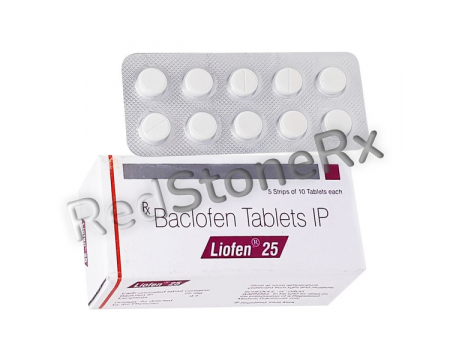
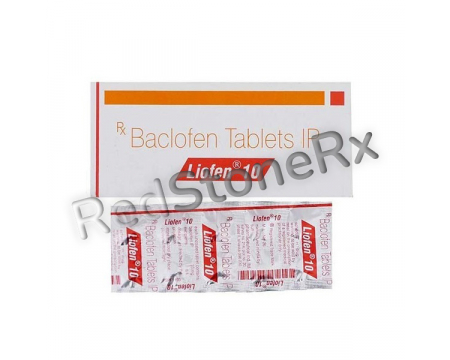
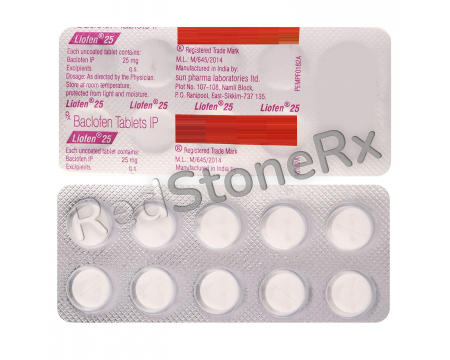


What Is Baclofen? — Medication Guide for Australians
Baclofen medication is a GABA-B receptor agonist and centrally-acting muscle relaxant used primarily for the treatment of spasticity — persistent muscle stiffness and spasms associated with neurological conditions. It is one of the most commonly prescribed oral antispastics in Australia, available under the generic name baclofen and multiple brand names. What is baclofen used for? Its TGA-approved indications include spasticity from multiple sclerosis, spinal cord injury, and other neurological conditions. Off-label uses — including for hiccups, sleep, and alcohol use disorder — are discussed separately below.
Baclofen generic name: Baclofen (INN — International Nonproprietary Name). Baclofen brand name products available in Australia include APO-Baclofen (Apotex), Stelax, and Clofen. Stelax baclofen and Clofen baclofen and APO-Baclofen all contain the same active ingredient at equivalent doses.

Baclofen Mechanism of Action — How It Works
Baclofen is a selective GABA-B (gamma-aminobutyric acid type B) receptor agonist. GABA-B receptors are inhibitory G-protein coupled receptors located throughout the central nervous system, with particularly high concentrations in the spinal cord's dorsal horn.
Baclofen's mechanism of action involves two complementary effects:
- Presynaptic action: Baclofen activates GABA-B receptors on presynaptic sensory nerve terminals in the spinal cord — inhibiting calcium channel opening and reducing release of excitatory neurotransmitters (glutamate, substance P, aspartate). This reduces the excessive excitatory input to motor neurons that causes spasticity.
- Postsynaptic action: Baclofen also activates GABA-B receptors on postsynaptic motor neurons — increasing potassium conductance and hyperpolarising the cell membrane, making motor neurons less responsive to excitatory input.
The combined pre- and postsynaptic inhibition reduces hyperactive spinal reflexes and reduces skeletal muscle tone, alleviating spasms and spasticity. Baclofen's CNS penetration also explains its effects on mood, sedation, and — controversially — alcohol craving (via GABA-B receptors in mesolimbic reward pathways).
Baclofen Uses — TGA-Approved and Off-Label
TGA-Approved Indications
- Spasticity in multiple sclerosis (MS) — most common indication. Baclofen reduces painful muscle spasms, stiffness, and involuntary contractions
- Spasticity from spinal cord injury — trauma, tumour, or disease causing upper motor neuron syndrome
- Other spinal cord pathology — meningitis, syringomyelia, motor neurone disease
Off-Label Uses in Australia
- Baclofen for hiccups — one of the most evidence-supported off-label uses. Baclofen inhibits the hiccup reflex arc at the spinal cord level. Used for persistent and intractable hiccups (lasting >48 hours) that have not responded to simpler measures. Typical dose 5–20mg three times daily for hiccups.
- Baclofen for sleep — some patients report improved sleep quality, particularly suppression of non-restorative light sleep. Not TGA-approved for this indication. Used off-label in some sleep disorders under specialist supervision.
- Baclofen for alcohol withdrawal and alcohol use disorder — controversial off-label use. See dedicated section below.
- Baclofen for GERD/reflux — reduces lower oesophageal sphincter relaxations (specialist use)

Baclofen Dosage for Adults — Baclofen Dose Dosing Guide
| Indication | Starting dose | Maintenance dose | Maximum dose |
|---|---|---|---|
| Spasticity (adults) | 5mg three times daily for 3 days | Increase by 5mg/dose every 3 days to effect | 80mg/day (typically 20mg four times daily) |
| Spasticity (elderly) | 5mg twice daily | Cautious titration — increased side effect risk | Lower than for adults |
| Baclofen for hiccups (off-label) | 5mg three times daily | 5–10mg three times daily | 20mg three times daily |
| Renal impairment | Reduce starting dose | Monitor closely — renally cleared | Reduce maximum |
How strong is baclofen 10 mg / baclofen 10mg? The 10mg dose is a moderate step in the titration schedule. For most adults starting treatment, 5mg three times daily (15mg/day) is the typical week-one dose. The 10mg tablet — taken three to four times daily — represents approximately the second week of titration and is a common maintenance dose for mild to moderate spasticity. The 25mg tablet is used for higher maintenance dosing when 10mg tablets would require multiple tablets per dose.
APO-Baclofen 10mg / APO Baclofen 10 mg: The most commonly dispensed generic baclofen in Australia. APO Baclofen 10mg is available at Chemist Warehouse and all major Australian pharmacies with a valid prescription.
Baclofen Side Effects — Complete Guide
Baclofen 10mg Side Effects / Baclofen 10 mg Side Effects — General Guide
Common side effects of baclofen (affect 10% or more):
- Drowsiness/sedation — the most common side effect; dose-related. Most significant at treatment start and with dose increases
- Dizziness and light-headedness — particularly on standing (orthostatic hypotension)
- Muscle weakness — can occur; monitor functional status
- Nausea and GI discomfort — reduced by taking with food
- Fatigue
- Headache
- Dry mouth
- Confusion and cognitive impairment — more common in elderly patients and at higher doses
Side effects of baclofen less common but clinically significant:
- Increased urinary frequency or retention
- Sexual dysfunction
- Mood changes, depression, euphoria
- Hypotension
- Respiratory depression — particularly with overdose or combination with alcohol/opioids
- Hallucinations — particularly in elderly patients or with rapid dose changes
- Signs of baclofen overdose — severe drowsiness, difficulty breathing, loss of consciousness, seizures, low heart rate. Call 000 or Poisons Information Centre: 13 11 26
- Severe respiratory depression
- Allergic reaction — facial swelling, breathing difficulty
- Suicidal thoughts or significant mood deterioration — particularly relevant in patients with alcohol use disorder. Call Lifeline: 13 11 14
- Encephalopathy — confusion, disorientation — stop baclofen and seek urgent care

How Long Does Baclofen Last? — Pharmacokinetics
Understanding baclofen's pharmacokinetics helps patients time doses correctly and understand when effects begin and end.
| Pharmacokinetic parameter | Value | Clinical implication |
|---|---|---|
| How long does baclofen take to work? | 30 minutes to 1 hour for initial effect | Take approximately 1 hour before activities requiring maximum effect |
| Baclofen half-life / baclofen half life | ~3–4 hours | Explains need for 3–4 times daily dosing to maintain consistent effect |
| How long does baclofen last? | 4–8 hours of therapeutic effect per dose | Most patients need dosing 3–4× daily for consistent spasticity control |
| How long does baclofen stay in your system? | ~24–48 hours (5 half-lives = complete clearance) | Baclofen is detectable for approximately 1–2 days after stopping |
| Peak plasma concentration | ~1–2 hours after oral dose | Timing of food: food slows absorption slightly but doesn't reduce total absorption |
| Renal excretion | 70–80% excreted unchanged in urine | Dose reduction required in renal impairment |
Baclofen Withdrawal — Do Not Stop Abruptly
Is baclofen addictive? Baclofen produces physical dependence with prolonged use — the body adapts to its presence, and abrupt discontinuation can cause serious, potentially life-threatening baclofen withdrawal symptoms. While this is different from addiction (drug-seeking behaviour), it is clinically important. Patients often ask "is baclofen addictive" — the answer is that it causes physical dependence, not psychological addiction in the traditional sense, but cases of baclofen abuse and misuse have been reported to the TGA.
Baclofen withdrawal symptoms include:
- Rebound spasticity — often more severe than baseline
- Agitation and anxiety
- Hallucinations and confusion
- Hyperthermia (elevated body temperature)
- Tachycardia and diaphoresis (sweating)
- Seizures — the most dangerous baclofen withdrawal symptom. Can occur within 24–72 hours of abrupt cessation
- Rhabdomyolysis in severe cases
Baclofen withdrawal timeline: Symptoms typically begin 12–24 hours after the last dose and peak at 24–72 hours. Severe symptoms (hallucinations, seizures) tend to occur on days 2–4 post-cessation. Resolution typically occurs over 7–14 days with appropriate medical management.
Baclofen and Alcohol — A Dangerous Combination
The combination of baclofen and alcohol is clinically dangerous. Both baclofen and alcohol are CNS depressants — they individually suppress brain function and respiratory drive. Their combination produces additive and synergistic CNS depression that can be fatal:
- Severe sedation and respiratory depression: The combination can cause breathing to become dangerously slow and shallow — a leading cause of baclofen overdose deaths in Australian TGA adverse event reports
- Overdose risk dramatically increased when alcohol is consumed with any dose of baclofen
- Impaired coordination and cognitive function — driving and operating machinery is absolutely contraindicated
- Even small amounts of alcohol can produce unexpected severity of CNS depression in patients on baclofen
Australian patients taking baclofen should be advised to avoid alcohol entirely during treatment.
Baclofen for Alcohol Withdrawal and Alcohol Use Disorder — Off-Label Use
Baclofen for alcohol withdrawal / baclofen for alcoholism / baclofen alcohol use disorder: Baclofen is used off-label in Australia and some European countries as a treatment for alcohol use disorder (AUD). The rationale is pharmacological — GABA-B receptor agonism in the mesolimbic reward system may reduce alcohol craving and reward, while baclofen's GABAergic activity may reduce alcohol withdrawal symptoms (similar mechanism to benzodiazepines for this purpose).
Baclofen alcohol withdrawal use in Australia: Baclofen is used by some Australian doctors, particularly addiction medicine specialists, as an off-label treatment for AUD. It may be particularly considered in patients with liver disease (baclofen is primarily renally cleared, unlike diazepam) or in patients for whom benzodiazepines are contraindicated. However:
- Baclofen for alcohol use disorder has inconsistent clinical trial evidence — some RCTs show benefit, others do not
- No standard optimal dose has been established — doses used in trials range from 30mg to over 300mg/day
- The combination of baclofen and ongoing alcohol use dramatically increases overdose risk
- Suicidal ideation has been reported specifically in AUD patients on baclofen
- This use must only be initiated and supervised by a doctor with experience in addiction medicine
If you or someone you know has an alcohol problem, contact: Alcohol and Drug Helpline: 1800 250 015 (24/7, free) or SMART Recovery Australia: 1300 762 867
Baclofen Overdose — Symptoms and Emergency Response
Baclofen overdose is a medical emergency. It can occur from accidental ingestion, intentional overdose (particularly in patients with AUD or mental health conditions), or from combining baclofen with alcohol or other CNS depressants.
Baclofen overdose symptoms include:
- Excessive drowsiness progressing to unresponsiveness
- Confusion and agitation
- Respiratory depression — slow, shallow breathing
- Coma
- Seizures
- Hypotension and bradycardia
- Hypothermia
- Muscle hypotonia (flaccidity)
Intrathecal Baclofen — Baclofen Pump
Intrathecal baclofen refers to baclofen delivered directly into the cerebrospinal fluid (CSF) surrounding the spinal cord via a surgically implanted baclofen pump (intrathecal drug delivery system). The intrathecal route allows much lower doses to achieve the same effect as oral therapy — typically 12–1500 micrograms/day intrathecally compared to 30–80mg/day orally — because drug delivery is directly to the site of action.
The baclofen pump is used when oral baclofen is inadequate or produces intolerable side effects due to the doses required. It is specifically indicated for severe, refractory spasticity from spinal cord injury, multiple sclerosis, cerebral palsy (in adults), and other neurological conditions. The pump is surgically implanted subcutaneously in the abdomen and requires periodic refilling by a specialist every 3–6 months.
Intrathecal baclofen therapy is managed by specialist neurosurgery and rehabilitation teams in Australia — it is not a GP-managed therapy. Sudden interruption of intrathecal baclofen (pump failure, catheter kinking) can cause severe withdrawal and requires emergency specialist management.
Baclofen vs Valium (Diazepam) — Comparison for Spasticity
| Parameter | Baclofen | Valium (Diazepam) |
|---|---|---|
| Mechanism | GABA-B receptor agonist | GABA-A receptor positive allosteric modulator (benzodiazepine) |
| TGA Schedule in Australia | Schedule 4 | Schedule 4 (but benzodiazepine — higher misuse risk) |
| Abuse/dependence potential | Physical dependence — lower misuse potential | High — benzodiazepine dependence and withdrawal well-recognised |
| Spasticity efficacy | First-line for spinal spasticity (MS, SCI) | Also effective; sedation more prominent |
| Sedation | Moderate — dose-dependent | More pronounced |
| Withdrawal severity | Serious — seizure risk, but usually less severe than benzodiazepine withdrawal | Can be life-threatening — severe benzodiazepine withdrawal syndrome |
| Use in alcohol withdrawal | Off-label, controversial | First-line for acute alcohol withdrawal (standard of care) |
| PBS-listed for spasticity? | Yes | Yes (for different indications) |
Is Baclofen Available in Australia? — Availability and Brands
Yes — baclofen is fully available in Australia on prescription from any GP. It is PBS-listed for spasticity associated with multiple sclerosis and spinal cord injury. Is baclofen over the counter Australia? No, baclofen over the counter Australia is not available — — baclofen requires a prescription; it cannot be purchased from a pharmacy without one.
Baclofen chemist warehouse: APO-Baclofen (Apotex) and other generic baclofen brands are available at Chemist Warehouse and all major Australian pharmacies with a valid prescription at PBS pricing.
Drug Interactions — Baclofen
| Drug / substance | Interaction | Action |
|---|---|---|
| Alcohol | Additive CNS depression — potentially fatal. Dramatically increases overdose risk | Avoid entirely during baclofen treatment |
| Benzodiazepines (diazepam, temazepam, alprazolam) | Additive CNS and respiratory depression | Avoid combination; inform GP of all sedatives |
| Opioids (oxycodone, morphine, codeine) | Additive CNS and respiratory depression — triple combination with alcohol is life-threatening | Extreme caution; specialist supervision required |
| Antihypertensives | Additive blood pressure lowering | Monitor blood pressure when starting baclofen |
| Tricyclic antidepressants (amitriptyline) | Additive sedation; may increase baclofen effects | Use with caution; monitor for excessive sedation |
| Lithium | May exacerbate hyperkinetic symptoms in some patients | Monitor carefully if combining |
| Diabetes medications | Baclofen may increase blood glucose — may affect glucose control | Monitor blood glucose when starting or adjusting baclofen |
| Levodopa (Parkinson's medications) | Increased risk of confusion and agitation | Avoid or use with caution; baclofen not recommended in Parkinson's disease |
Contraindications
- Known hypersensitivity to baclofen
- Not recommended for spasticity from Parkinson's disease, stroke, cerebral palsy, or rheumatoid arthritis — oral baclofen has limited evidence for these conditions
- Peptic ulcer disease — use with caution
- Severe renal impairment — dose reduction required; renally cleared
- Severe psychiatric disorders (psychosis, mania, depression) — monitor closely; may exacerbate
- Epilepsy — use with caution; threshold may be lowered
- Respiratory impairment — CNS depression risk
- Children under 12 years — safety not well established for oral use
Frequently Asked Questions — Baclofen Australia
What is baclofen used for in Australia?
Baclofen is used for spasticity (muscle stiffness and spasms) associated with multiple sclerosis, spinal cord injury, and other neurological conditions. Off-label uses include persistent hiccups, certain sleep disorders, and — controversially with TGA safety concerns — alcohol use disorder. It is a Schedule 4 prescription-only medicine.
Is baclofen over the counter in Australia?
No — baclofen requires a prescription from a registered GP or specialist. It is not available over the counter at any Australian pharmacy including Chemist Warehouse. It is PBS-listed, providing subsidised cost for eligible patients with a valid prescription.
Is baclofen addictive?
Baclofen produces physical dependence with prolonged use — abrupt cessation causes a serious withdrawal syndrome including seizure risk. This is not "addiction" in the psychological sense, but the physical dependence means baclofen should never be stopped suddenly without medical supervision. Cases of misuse and abuse have been reported to the TGA, particularly in patients using it off-label for alcohol use disorder.
How long does baclofen stay in your system?
Baclofen has a half-life of approximately 3–4 hours. Complete clearance (5 half-lives) takes approximately 15–20 hours — so baclofen stays in your system for about 1–2 days after the last dose. Urine drug testing: baclofen is not a standard panel drug and requires specific testing for detection.
Can baclofen be used for alcohol withdrawal?
Baclofen is used off-label by some Australian doctors for alcohol use disorder (AUD), but carries significant TGA-documented safety risks — including overdose (43 reported cases in TGA database) and suicidal ideation. This use must only occur under close specialist supervision. For acute alcohol withdrawal, benzodiazepines (diazepam) remain the standard first-line treatment in Australia.
This product page was reviewed by Dr. Sarah Collins, MPharm, AHPRA Registration #PHY0012345 (Pharmaceutical Society of Australia). Baclofen is a Schedule 4 Prescription Only Medicine — not available over the counter. Never stop baclofen abruptly — withdrawal seizures can occur. Baclofen overdose is a medical emergency: call 000 immediately. Do not combine with alcohol. Lifeline: 13 11 14. Poisons Information: 13 11 26. Alcohol and Drug Helpline: 1800 250 015. RedstoneRX complies with all TGA and Poisons Standard requirements for the supply of Schedule 4 medicines in Australia.