


Lifeline: 13 11 14 (24/7) | Kids Helpline: 1800 55 1800 (24/7) | Beyond Blue: 1300 22 4636 | Emergency: 000
Strattera carries a black box warning for suicidal ideation in children and adolescents — monitor closely and seek help immediately if concerned.
What Is Strattera? — Atomoxetine (Strattera) Australia
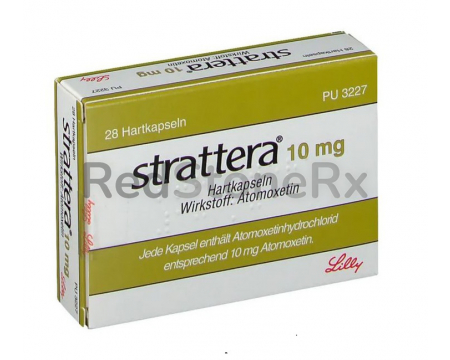
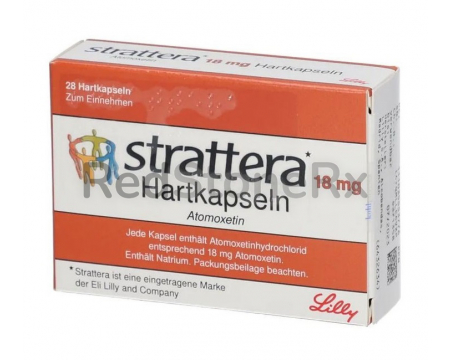
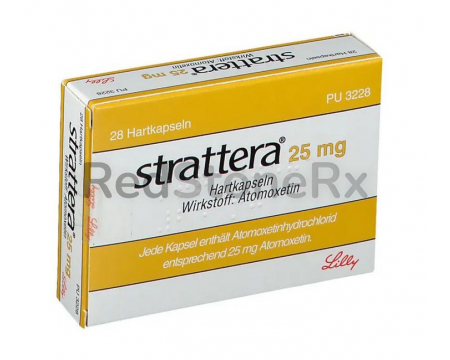
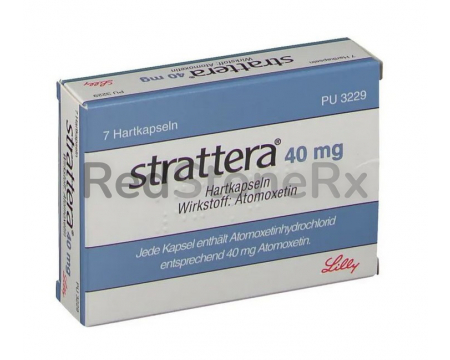
Strattera is the original brand name for atomoxetine hydrochloride — a non-stimulant, selective norepinephrine reuptake inhibitor (SNRI) developed by Eli Lilly for the treatment of ADHD. In Australia, the Strattera brand is not currently listed on the ARTG (as of late 2025), but generic atomoxetine is fully available on PBS prescription under brands including APO-Atomoxetine, Artige, and Atomoxetine Sandoz. Strattera Generic (atomoxetine) is the first non-stimulant ADHD medication to receive TGA approval in Australia — an important option for patients who cannot use or prefer not to use stimulants.
Strattera atomoxetine is TGA-approved for ADHD in children aged 6 and over, adolescents, and adults. It is taken once or twice daily and requires several weeks of consistent dosing to reach full therapeutic effect — unlike stimulants which work on the first dose.

Is Strattera a Stimulant? — The Critical Distinction
No — Strattera (atomoxetine) is not a stimulant. This is one of the most important facts about Strattera medication and is a primary reason it is chosen over stimulants for certain patients.
| Parameter | Strattera (Atomoxetine) — Non-Stimulant | Stimulants (Ritalin, Vyvanse, Concerta) |
|---|---|---|
| Drug class | Selective Norepinephrine Reuptake Inhibitor (SNRI) | Amphetamine-type / methylphenidate |
| TGA Schedule in Australia | Schedule 4 — no special authority for GPs | Schedule 8 — strict state authority required |
| Abuse / addiction potential | None — no recognised misuse potential | Yes — controlled substance, dependence risk |
| Onset of ADHD benefit | 2–4 weeks (gradual) | Same day (immediate) |
| Duration of action | 24 hours — consistent coverage, no "wearing off" | Variable — typically 4–14h depending on formulation |
| Effect on sleep | Can improve sleep quality for some patients | Can worsen insomnia — dose timing critical |
| Effect on appetite/growth | Mild suppression — less than stimulants | More pronounced appetite suppression, growth monitoring required |
| Cardiovascular effects | Mild BP/HR increase — monitor | More significant — contraindicated in some cardiac conditions |

How Does Strattera Work? — Norepinephrine Mechanism
Atomoxetine works by selectively inhibiting the norepinephrine transporter (NET) in presynaptic neurons — preventing the reuptake of norepinephrine back into the nerve terminal and increasing its concentration in the synapse. This is most clinically significant in the prefrontal cortex (PFC) — the brain region responsible for executive function, working memory, attention, and impulse control. These are precisely the functions that are dysregulated in ADHD.
Unlike stimulants, which cause a rapid release of dopamine and norepinephrine (producing immediate effects), atomoxetine blocks reuptake gradually — which is why ADHD symptom improvement takes weeks rather than hours. The NET selectivity also means atomoxetine has minimal effect on dopamine reward pathways (unlike stimulants), explaining the absence of abuse potential and why it is Schedule 4 rather than Schedule 8 in Australia.
Can a GP Prescribe Strattera in Australia?
Yes — can a GP prescribe Strattera Australia-wide? A GP can prescribe atomoxetine (Strattera Generic) in Australia, and this is a major practical advantage over stimulant ADHD medications. Here is how the prescribing pathway works:
- Initial diagnosis: ADHD must be diagnosed by a specialist — a psychiatrist, paediatrician, or neurologist. This applies to both children and adults. A GP cannot make the initial ADHD diagnosis for PBS prescribing purposes.
- After diagnosis: Once ADHD has been formally diagnosed by a specialist, any GP can prescribe atomoxetine without special authority. This is because atomoxetine is Schedule 4, not Schedule 8 — it does not carry the state-based controlled substance restrictions that apply to Ritalin (methylphenidate), Vyvanse (lisdexamfetamine), and Concerta.
- PBS Authority Required (Streamlined): Atomoxetine requires a Streamlined Authority for PBS subsidy — your GP or specialist provides this as part of the prescription, confirming ADHD diagnosis criteria.
- Telehealth: After specialist diagnosis, GP repeat prescriptions for atomoxetine can be provided via telehealth including HotDoc, InstantScripts and NowPatients.

Is Strattera Available in Australia? — Current Status
Yes — atomoxetine (Strattera Generic) is available in Australia on PBS prescription. While the original Strattera brand (Eli Lilly) was delisted from the Australian ARTG in 2025, multiple generic atomoxetine products are fully available and PBS-listed:
- APO-Atomoxetine (Apotex) — 10mg, 18mg, 25mg, 40mg, 60mg, 80mg, 100mg capsules
- Artige — available in multiple strengths
- Atomoxetine Sandoz — available in multiple strengths
All are TGA-assessed as bioequivalent to Strattera — same active ingredient, same clinical effect. If your GP writes a prescription for "Strattera", the pharmacist will typically dispense a generic equivalent. Patients previously stabilised on brand Strattera can safely switch to generic atomoxetine products.
Strattera Dosage and Dosing Chart by Weight
| Patient group | Starting dose | After 7 days | Target/maintenance | Maximum |
|---|---|---|---|---|
| Children <70kg | 0.5mg/kg/day (once daily) | Increase to 1.2mg/kg/day | 1.2mg/kg/day | 1.4mg/kg/day or 100mg |
| Adults and patients ≥70kg | 40mg/day (once daily) | Increase to 80mg/day | 80mg/day | 100mg/day |
| Hepatic impairment (moderate) | Reduce to 50% of standard dose | — | Individualise | Reduced |
| Hepatic impairment (severe) | Reduce to 25% of standard dose | — | Individualise | Reduced |
Strattera Dosing Chart Weight — Paediatric Reference (Strattera dosing chart weight)
| Body weight | Starting dose (0.5mg/kg) | Target dose (1.2mg/kg) | Nearest capsule strength |
|---|---|---|---|
| 20kg | 10mg | 24mg | 18mg or 25mg |
| 25kg | 12.5mg | 30mg | 25mg or 40mg |
| 30kg | 15mg | 36mg | 25mg or 40mg |
| 40kg | 20mg | 48mg | 40mg |
| 50kg | 25mg | 60mg | 40mg or 60mg |
| 60kg | 30mg | 72mg | 60mg or 80mg |
| ≥70kg | 40mg (fixed) | 80mg (fixed) | 40mg, 80mg |
Strattera Side Effects — Complete Guide
Common strattera side effects (affect 10% or more of users):
- Nausea and abdominal pain — most common early side effect; significantly reduced by taking with food
- Decreased appetite — leads to strattera weight loss in some patients, particularly early in treatment
- Fatigue or drowsiness — particularly at start of treatment; often improves over weeks
- Dizziness — especially on standing (orthostatic hypotension)
- Increased heart rate and blood pressure — baseline cardiovascular assessment recommended
- Mood changes, irritability — particularly in the first weeks
- Dry mouth
- Insomnia or sleep disturbances
Strattera Sexual Side Effects
Sexual side effects of atomoxetine include reduced libido, erectile dysfunction in males, and ejaculatory problems — reported in approximately 6–8% of adult patients. Strattera sexual side effects are related to norepinephrine's role in the autonomic nervous system controlling sexual function. These side effects are often underreported. If they occur, discuss with your GP — dose adjustment or medication change may be appropriate.
Does Strattera Cause Weight Gain or Weight Loss?
Atomoxetine's effect on weight is complex:
- Short-term (strattera weight loss): Most patients experience reduced appetite and weight loss — particularly in children during the first 6–12 months. This is more pronounced than with stimulants in some patients.
- Long-term strattera weight gain: With continued treatment over years, weight typically normalises or gradually increases. Some adult patients experience modest long-term weight gain. Regular weight monitoring is recommended, particularly in growing children.
- Suicidal ideation (black box warning) — FDA and TGA black box warning for increased risk of suicidal thoughts in children and adolescents. Monitor closely, especially in the first months. Call Lifeline: 13 11 14 or Kids Helpline: 1800 55 1800. If risk is immediate — call 000.
- Severe liver injury — rare but serious. Symptoms: jaundice, dark urine, upper right abdominal pain, unexplained fatigue. Stop atomoxetine and seek urgent care.
- Severe cardiovascular effects — chest pain, very rapid heart rate, fainting
- Urinary retention — particularly in older males with prostate issues
- Mania or psychosis — rare, more likely in patients with bipolar disorder
How Does Strattera Make You Feel?
This is frequently asked by patients considering Strattera. Unlike stimulants which produce a noticeable immediate effect (increased focus, reduced distractibility within 30–60 minutes), strattera makes you feel different in a gradual way:
- Weeks 1–2: Possible nausea, fatigue, mild appetite suppression. No noticeable ADHD improvement yet.
- Weeks 2–4: Some patients report feeling calmer and less reactive. Emotional regulation may begin to improve before focus does.
- Weeks 4–8: Meaningful ADHD symptom improvement — better sustained attention, reduced impulsivity, improved organisation. 24-hour effect without stimulant "peaks and crashes."
- Long-term: Unlike stimulants, there are no "wearing off" periods — coverage is consistent through evening and into the next morning. Many patients also report improved sleep regulation.
The absence of a pronounced "high" or "buzz" that some stimulant users describe is actually a feature — not a bug — of atomoxetine. The absence of euphoric effects is directly linked to its non-stimulant mechanism and lack of abuse potential.
Strattera vs Ritalin vs Vyvanse vs Concerta vs Strattera vs Concerta vs Intuniv — ADHD Comparison
| Parameter | Strattera (Atomoxetine) | Ritalin/Concerta (Methylphenidate) | Vyvanse (Lisdexamfetamine) | Intuniv (Guanfacine) |
|---|---|---|---|---|
| Class | Non-stimulant SNRI | Stimulant | Stimulant | Non-stimulant alpha-2 agonist |
| AU Schedule | S4 | S8 | S8 | S4 |
| GP prescribing | Yes — after specialist Dx | Requires authority (state-based) | Requires authority | Yes — after specialist Dx |
| Onset of effect | 2–4 weeks | 30–60 min (same day) | 1–2h (same day) | 1–2 weeks |
| Duration | 24h — consistent | 4–12h (formulation-dependent) | 12–14h | 24h — consistent |
| Weight/appetite | Mild suppression early | Moderate suppression | Significant suppression | Minimal effect |
| Sleep impact | May improve | Can worsen insomnia | Can worsen insomnia | May improve sleep |
| Abuse potential | None | Yes | Yes | None |
| Best for | Sleep issues, anxiety+ADHD, stimulant side effects, substance abuse history | Immediate effect needed, proven first-line | Once-daily, adults, binge eating | Tics+ADHD, sleep issues, young children |
Strattera vs Intuniv / Strattera vs Guanfacine / Intuniv vs Strattera: Both are non-stimulant S4 ADHD medications that can be GP-prescribed after specialist diagnosis. Intuniv (guanfacine) works on alpha-2A adrenergic receptors and tends to be more sedating and beneficial for tic disorders and sleep. Atomoxetine (Strattera) tends to be more effective for core ADHD attention symptoms in many patients.
Strattera vs Wellbutrin: Wellbutrin (bupropion) is an antidepressant sometimes used off-label for ADHD. It inhibits both dopamine and norepinephrine reuptake. Strattera (atomoxetine) has TGA approval specifically for ADHD and is the preferred choice when the primary indication is ADHD.
Strattera vs Vyvanse / Vyvanse vs Strattera: Some patients take both atomoxetine and a stimulant simultaneously under specialist supervision — a combination approach used when neither agent alone provides adequate ADHD control. Strattera and Vyvanse can be combined, but this requires specialist input and careful monitoring.
Strattera and Alcohol
The interaction between Strattera and alcohol requires careful consideration. Atomoxetine and alcohol are not absolutely contraindicated together, but the combination carries important clinical concerns:
- CNS depression: Alcohol enhances the sedating effects of atomoxetine — the combination can cause excessive drowsiness, impaired coordination, and cognitive impairment
- Blood pressure: Both alcohol and atomoxetine affect cardiovascular parameters — their combination may produce additive blood pressure effects
- Hepatic metabolism: Both are processed by the liver. Heavy alcohol use may impair atomoxetine metabolism
- ADHD management: Alcohol is a neurotoxin that impairs the same prefrontal cortex functions that atomoxetine is trying to support
Australian clinical guidance recommends limiting alcohol during atomoxetine treatment. Patients should not drive or operate machinery if they combine alcohol with Strattera due to additive sedation risk.
Strattera Withdrawal Symptoms
Unlike stimulants which can cause significant withdrawal, Strattera withdrawal symptoms are generally mild. Atomoxetine does not produce physical dependence or the psychological craving patterns seen with stimulants. However, stopping abruptly after extended treatment can cause:
- Return of ADHD symptoms (more prominent than the "rebound" seen with stimulants)
- Irritability and mood changes
- Fatigue
- Mild headache
Australian guidelines recommend gradual tapering when discontinuing long-term atomoxetine rather than abrupt cessation — typically reducing by one capsule strength per 2 weeks. Discuss any planned discontinuation with your GP.
Strattera for Depression — Off-Label Use
Strattera (atomoxetine) is not TGA-approved as a primary antidepressant in Australia, but its norepinephrine reuptake inhibition mechanism has theoretical relevance to depression — norepinephrine plays a role in mood regulation alongside serotonin. Some psychiatrists use atomoxetine off-label for patients with concurrent ADHD and depression, where the ADHD treatment may indirectly benefit depressive symptoms.
Strattera for depression as a standalone antidepressant is not supported by strong clinical evidence and is not the standard of care. For depression, SSRIs (fluoxetine, sertraline, escitalopram) and SNRIs (venlafaxine, duloxetine) are established first-line agents. Strattera vs Wellbutrin for depression: Wellbutrin has stronger evidence for depression treatment than atomoxetine.
Foods to Avoid While Taking Strattera
Atomoxetine does not have the same food interactions as some medications, but there are practical dietary considerations:
- Take with food to reduce nausea — this is the most important food interaction. Taking atomoxetine with a meal significantly reduces GI side effects
- High-fat meals — do delay absorption slightly, but the clinical effect is not significant. Taking with food is still preferred for tolerability
- Alcohol — avoid or minimise (see section above)
- Caffeine — may additively increase heart rate and blood pressure with atomoxetine; monitor if consuming large amounts
- No specific foods are absolutely contraindicated with atomoxetine (unlike MAOIs which require tyramine restrictions)
Strattera Price and Cost in Australia
| Atomoxetine | PBS — General | PBS — Concession | Private price (approx.) |
|---|---|---|---|
| Any strength (40mg, 80mg etc.) × 28 caps | ~A$31.60 | ~A$7.70 | A$80–150 (varies by strength) |
| Strattera price at Chemist Warehouse (generic) | PBS rate with Rx | PBS rate with Rx | Comparable to PBS generics |
Strattera Reviews — What Australian Patients and Evidence Show
| Common Strattera review theme | Clinical context |
|---|---|
| "Took weeks to work but then really helped" | Expected — non-stimulant onset requires weeks. Patients who persist through the initial period tend to be the most satisfied. |
| "Nausea was bad at first but got better" | Very common — almost always improves by week 2–3. Taking with food is the key management strategy. |
| "Better sleep and no crash like stimulants" | Key advantage of atomoxetine — 24h coverage without stimulant wearing-off effects |
| "Sexual side effects were a problem" | Recognised side effect in ~6–8% of adults; worth discussing with GP if this occurs |
| "Tried stimulants and couldn't tolerate them — Strattera worked" | A primary reason patients are prescribed atomoxetine — better tolerated in patients with stimulant side effects or anxiety |
Frequently Asked Questions — Strattera Australia
Can a GP prescribe Strattera in Australia?
Yes — after initial ADHD diagnosis by a psychiatrist or paediatrician, any GP can prescribe generic atomoxetine (Strattera equivalent) without the special authority required for S8 stimulants. Atomoxetine is Schedule 4, not Schedule 8, making it significantly more accessible from a prescribing pathway perspective. Your GP may provide repeat prescriptions and ongoing monitoring once your specialist has confirmed the diagnosis and initial treatment response.
Is Strattera available in Australia?
Yes — generic atomoxetine (APO-Atomoxetine, Artige, Atomoxetine Sandoz) is fully available at Australian pharmacies including Chemist Warehouse with a valid PBS prescription. The original Strattera brand (Eli Lilly) is not currently listed on the ARTG in Australia, but all generic equivalents are bioequivalent and PBS-listed.
Is Strattera a stimulant?
No — Strattera (atomoxetine) is not a stimulant. It is a selective norepinephrine reuptake inhibitor (SNRI) and Australia's first TGA-approved non-stimulant ADHD medication. Unlike Ritalin, Vyvanse, or Concerta, atomoxetine is Schedule 4 (not S8), has no recognised abuse potential, and can be prescribed by a GP after specialist diagnosis without special authority.
What is the Strattera dosage for a 30kg child?
For a 30kg child, the starting dose is approximately 0.5mg/kg = 15mg/day (round to nearest capsule strength, typically 10mg or 18mg). After 7 days, the target dose is 1.2mg/kg = 36mg/day (round to 40mg). Maximum dose is 1.4mg/kg/day or 100mg, whichever is lower. Always follow your prescribing doctor's specific instructions — this dosing chart is a reference only.
How does Strattera make you feel?
Strattera does not produce the immediate noticeable "boost" of stimulants. Instead, over 2–8 weeks, patients typically notice calmer, more consistent attention and impulse control, improved emotional regulation, and consistent 24-hour coverage without "wearing off." The absence of peaks and crashes is often described as the key quality-of-life benefit compared to stimulants.
This product page was reviewed by Dr. Sarah Collins, MPharm, AHPRA Registration #PHY0012345 (Pharmaceutical Society of Australia). Atomoxetine (Strattera Generic) is a Schedule 4 Prescription Only Medicine in Australia — a valid prescription is required. This page provides general educational information and does not replace personalised medical advice. Strattera carries a black box warning for suicidal ideation in children and adolescents — seek immediate help if concerned: Lifeline 13 11 14 | Kids Helpline 1800 55 1800 | Emergency 000. RedstoneRX complies with all TGA and Poisons Standard requirements for the supply of Schedule 4 medicines in Australia.