


Medically reviewed by Dr. Sarah Collins, RPh, Clinical Pharmacist — Updated April 2026
What Is Zithromax (Azithromycin)? — Mechanism and Pharmacology
Azithromycin is a macrolide antibiotic of the azalide subclass — chemically distinct from classic macrolides (erythromycin, clarithromycin) by the insertion of a nitrogen atom into the macrolide ring, which significantly improves acid stability, tissue penetration, and half-life.
Mechanism of action — 50S ribosomal subunit inhibition: Azithromycin inhibits bacterial protein synthesis by reversibly binding to the 50S ribosomal subunit — specifically to the 23S rRNA at the peptidyl transferase loop. This blocks translocation of the ribosome along the mRNA strand, preventing polypeptide chain elongation and halting bacterial protein production. The result is bacteriostatic activity (inhibiting growth) against most susceptible organisms, with bactericidal activity (killing bacteria) at higher concentrations against certain pathogens including Haemophilus influenzae and Streptococcus pneumoniae.
Pharmacokinetic advantages that make azithromycin clinically unique:
- Exceptional tissue distribution: Azithromycin achieves tissue concentrations 10 to 100 times higher than concurrent plasma concentrations — concentrating in phagocytic cells (neutrophils, macrophages) that transport it directly to sites of infection. Tissue half-life of ~68 hours vs plasma half-life of ~11–14 hours
- Short course equivalence: Because azithromycin concentrates in tissue and releases slowly, a 3-day course achieves tissue exposure equivalent to 10 days of most other antibiotics — enabling the 3-day "Z-pack" for respiratory infections and the single 1g dose for chlamydia
- Intracellular activity: Azithromycin penetrates and concentrates inside cells — giving it unique activity against intracellular pathogens including Chlamydia trachomatis, Legionella pneumophila, and Mycobacterium avium complex that reside inside host cells and are inaccessible to beta-lactam antibiotics
- Immunomodulatory properties: Beyond antimicrobial activity, azithromycin has anti-inflammatory effects — reducing pro-inflammatory cytokine production (IL-1, IL-6, TNF-α) and inhibiting neutrophil recruitment. This immunomodulatory action may contribute to clinical benefit in respiratory infections beyond direct bacterial killing
Indications — Australian Clinical Context
1. Chlamydia and Sexually Transmitted Infections — most common Australian indication:
Chlamydia trachomatis infection is the most notified infectious disease in Australia — over 100,000 confirmed cases annually, with the highest rates in young Australians aged 15–29. Chlamydia is frequently asymptomatic (approximately 70% in women, 50% in men) — making treatment of diagnosed cases and contacts critical to prevent reproductive complications (pelvic inflammatory disease, infertility, ectopic pregnancy) and ongoing transmission.
Australian STI treatment guidelines (ASHM/Australasian Society for HIV, Viral Hepatitis and Sexual Health Medicine):
- Genital chlamydia (uncomplicated urogenital infection): Azithromycin 1g orally as a single dose — the standard recommended treatment. Alternatively, doxycycline 100mg twice daily for 7 days is now preferred by some guidelines due to increasing evidence of superior efficacy for rectal chlamydia
- Rectal chlamydia: Doxycycline 100mg twice daily for 7 days is now preferred over azithromycin single dose — evidence suggests azithromycin single dose has lower efficacy for rectal infection
- Gonorrhoea: Azithromycin was previously used in combination with ceftriaxone for gonorrhoea. Due to increasing azithromycin resistance in Neisseria gonorrhoeae in Australia (AGSP surveillance data), Australian STI guidelines have moved away from azithromycin for gonorrhoea — ceftriaxone alone is now recommended by ASHM
- Mycoplasma genitalium: Azithromycin 1g single dose or extended azithromycin regimes (azithromycin 500mg day 1 then 250mg days 2–5) — though M. genitalium resistance to azithromycin is a growing concern in Australia; moxifloxacin is used for resistant cases
- Non-gonococcal urethritis (NGU): Azithromycin 1g single dose — convenient single-dose option ensuring completion
Azithromycin vs Doxycycline for Chlamydia — Australian perspective:
| Azithromycin 1g single dose | Doxycycline 100mg twice daily × 7 days | |
|---|---|---|
| Dosing | Single dose — maximum compliance | 14 tablets over 7 days |
| Directly observed treatment | Can be given as DOT at clinic | Requires self-administration for 7 days |
| Genital chlamydia efficacy | ~97% cure rate | ~98–99% cure rate |
| Rectal chlamydia efficacy | Lower — ~83% | Higher — ~99% |
| Pharyngeal chlamydia | Less effective | Preferred |
| Use in pregnancy | Safe — preferred for chlamydia in pregnancy | Contraindicated in pregnancy (2nd/3rd trimester) |
| GI side effects | Common with single large dose | Moderate — take with food |
| Cost (Australia) | Moderate | Low |
| Australian guideline preference (genital) | Acceptable — especially for single-visit treatment | Currently preferred by ASHM for genital and rectal chlamydia |
2. Community-Acquired Pneumonia (CAP) — atypical organisms: In Australia, Community-Acquired Pneumonia is classified by the Therapeutic Guidelines: Antibiotic (eTG) as mild, moderate, or severe, with different treatment recommendations at each level. Azithromycin's primary role in CAP is coverage of atypical organisms:
- Mycoplasma pneumoniae — most common atypical CAP pathogen in Australia; typically affects younger adults and children; responds well to azithromycin 500mg daily for 3–5 days
- Chlamydophila pneumoniae — common cause of mild CAP; azithromycin is effective
- Legionella pneumophila — requires azithromycin or doxycycline; critical for coverage in moderate-to-severe CAP
- Combination therapy for moderate CAP: The Australian eTG recommends adding azithromycin or doxycycline to a beta-lactam (amoxicillin or amoxicillin/clavulanate) for hospitalised moderate CAP — to provide dual coverage of typical and atypical organisms. Azithromycin is not used as monotherapy for moderate-to-severe CAP
3. Acute Exacerbations of Chronic Obstructive Pulmonary Disease (AECOPD): Azithromycin 500mg daily for 3 days — particularly when atypical organisms are suspected or patient is penicillin-allergic. Long-term prophylactic azithromycin (250mg three times weekly) has evidence for reducing AECOPD frequency in selected high-risk patients — this is a specialist respiratory physician decision requiring QT interval monitoring.
4. Skin and Soft Tissue Infections: Azithromycin is a second-line option for mild-moderate skin infections caused by Streptococcus pyogenes (group A strep) or susceptible Staphylococcus aureus — in penicillin-allergic patients. Note: MRSA (methicillin-resistant Staphylococcus aureus) is typically resistant to azithromycin — community-acquired MRSA is an increasing concern in Australian correctional facilities, contact sports communities, and some remote Indigenous communities. Azithromycin should not be used empirically for skin infections in settings with high MRSA prevalence.
5. Mycobacterium avium Complex (MAC) Prophylaxis — HIV patients: Azithromycin 1200mg once weekly for MAC prophylaxis in HIV patients with CD4 count <50 cells/µL who are not on effective ART. This indication has become less common with effective antiretroviral therapy achieving immune reconstitution in most Australian HIV patients, but remains relevant for newly diagnosed or treatment-naive patients with advanced immunosuppression.
6. Pertussis (Whooping Cough) — post-exposure prophylaxis and treatment: Azithromycin is the preferred agent for pertussis treatment and post-exposure prophylaxis in Australian public health guidelines (replacing erythromycin due to superior tolerability) — 500mg on day 1 then 250mg days 2–5 for adults; weight-based dosing for children. Pertussis is an important cause of prolonged cough illness in Australian adults.

Critical Safety Information — QT Prolongation
The most important safety concern with azithromycin is cardiac QT interval prolongation — which can potentially trigger life-threatening ventricular arrhythmias, including torsades de pointes and ventricular fibrillation. This risk, while rare at standard therapeutic doses in healthy individuals, is clinically significant in patients with pre-existing risk factors.
Absolute contraindications — never combine azithromycin with:
- Terfenadine, astemizole, cisapride — combination causes potentially fatal QT prolongation and ventricular arrhythmias. These antihistamines and prokinetics are largely withdrawn from Australian market but may be encountered
- Class Ia antiarrhythmics (quinidine, procainamide) and Class III antiarrhythmics (amiodarone, sotalol) — additive QT prolongation; high risk of torsades de pointes
- Pimozide (antipsychotic) — significant QT prolongation risk
Use with caution and ECG monitoring in patients with:
- Known QT prolongation (congenital long QT syndrome) or family history of sudden cardiac death
- Hypokalaemia or hypomagnesaemia — electrolyte abnormalities increase arrhythmia risk with QT-prolonging drugs
- Bradycardia
- Current use of other QT-prolonging drugs: fluoroquinolones (ciprofloxacin, moxifloxacin), antipsychotics (haloperidol, quetiapine), methadone, hydroxychloroquine, chloroquine
- Significant cardiovascular disease or recent myocardial infarction
- Severe hepatic impairment — impaired azithromycin elimination increases exposure
Practical Australian implication: For most healthy young Australians taking azithromycin for chlamydia (1g single dose) or respiratory infections (3–5 day course), the cardiac risk is negligible. The risk becomes clinically relevant for older patients with cardiovascular disease, patients on multiple medications, or patients with electrolyte abnormalities. Your GP or pharmacist can assess your individual cardiac risk before prescribing azithromycin.
Antibiotic Resistance — Australian Context
Antibiotic resistance is a growing public health crisis in Australia, tracked through the AURA (Antimicrobial Use and Resistance in Australia) surveillance system coordinated by the Australian Commission on Safety and Quality in Health Care (ACSQHC). Understanding azithromycin resistance patterns is critical for appropriate use:
- Neisseria gonorrhoeae (gonorrhoea): High and increasing azithromycin resistance in Australia — AGSP (Australian Gonococcal Surveillance Programme) data shows azithromycin resistance rates above the threshold for reliable treatment. Azithromycin is no longer recommended for gonorrhoea by Australian STI guidelines
- Mycoplasma genitalium: Macrolide resistance (including azithromycin) in M. genitalium has reached approximately 40–65% in some Australian sexual health clinic populations — representing a significant treatment challenge. Resistance-guided therapy using PCR-based macrolide resistance testing is now recommended at Australian sexual health clinics before prescribing azithromycin
- Streptococcus pneumoniae (pneumococcal): Macrolide resistance in S. pneumoniae is increasing in Australia — approximately 15–25% of isolates are macrolide-resistant. This limits azithromycin as monotherapy for pneumococcal pneumonia
- Azithromycin stewardship: The Therapeutic Guidelines: Antibiotic (eTG) — the authoritative Australian antibiotic prescribing reference — specifically warns against overuse of azithromycin and emphasises narrow-spectrum antibiotics (amoxicillin) as first choice for most respiratory infections where azithromycin has no added benefit over cheaper, narrower agents
Why antibiotic stewardship matters for Australian patients: Australia consistently ranks among the highest antibiotic-using countries in the developed world per capita — a major driver of resistance. The National Antimicrobial Resistance Strategy and NPS MedicineWise programmes actively promote appropriate antibiotic use. Using azithromycin — or any antibiotic — without a bacterial indication (viral infections including common cold, influenza, COVID-19) contributes to resistance and provides no benefit.
COVID-19 and Azithromycin
Azithromycin was widely investigated for COVID-19 early in the pandemic — initially based on theoretical antiviral properties and immunomodulatory effects. The RECOVERY trial (Oxford, UK) — the largest COVID-19 treatment trial globally, with over 7,000 patients in the azithromycin arm — found no benefit on 28-day mortality, need for mechanical ventilation, or hospital length of stay. Multiple additional large RCTs consistently confirmed no meaningful benefit of azithromycin in COVID-19.
The TGA, Australian Department of Health, and ATAGI do not recommend azithromycin for COVID-19. Using azithromycin for COVID-19 — a viral infection — has no benefit and contributes to antibiotic resistance. If you have COVID-19 and are at high risk, contact your Australian GP about TGA-approved antivirals (Paxlovid, Lagevrio) that are PBS-subsidised for eligible Australians.
Dosage Guide
Chlamydia and non-gonococcal STIs (single dose): 1000mg (1g) orally as a single dose. Can be taken with or without food — though food reduces nausea with the large 1g dose. This is the most common azithromycin dose prescribed in Australian sexual health clinics and GP practices.
Community-acquired pneumonia — atypical coverage:
- Mild outpatient CAP (atypical organisms): 500mg on Day 1, then 250mg daily on Days 2–5
- Add-on to beta-lactam for moderate CAP: 500mg daily for 3–5 days alongside amoxicillin/clavulanate or cefuroxime
Acute bacterial exacerbation of chronic bronchitis / AECOPD: 500mg daily for 3 days.
Pertussis (whooping cough) treatment and post-exposure prophylaxis:
- Adults: 500mg on Day 1 then 250mg on Days 2–5 (total 1.5g over 5 days)
- Children: 10mg/kg on Day 1 then 5mg/kg on Days 2–5
MAC prophylaxis in HIV (CD4 <50 cells/µL): 1200mg once weekly.
With food: Azithromycin can be taken with or without food. For the 1g single dose (chlamydia treatment), taking with a light meal substantially reduces the nausea that commonly occurs with this larger dose. For standard 250–500mg doses, food has minimal impact on absorption.
Complete the full course: Even though azithromycin short courses (3 days) feel brief, it is essential to complete every dose. The high tissue concentrations achieved mean a 3-day course provides ~10 days of effective tissue exposure — but only if all doses are taken.
Side Effects
Very common (affecting more than 1 in 10 users):
- Gastrointestinal effects — nausea, diarrhoea, abdominal cramping: most common with the 1g single dose; reduced by taking with food. Azithromycin stimulates motilin receptors in the GI tract (prokinetic effect) — causing GI motility acceleration. Usually mild and transient
- Headache
Common (affecting up to 1 in 10 users):
- Vomiting
- Flatulence
- Dizziness
- Elevated liver enzymes — generally mild and transient; rarely clinically significant
Important — Clostridium difficile-associated diarrhoea (CDAD): Like all antibiotics, azithromycin can disrupt normal bowel flora and allow Clostridioides difficile to overgrow. CDAD can cause severe, prolonged diarrhoea that may persist weeks after antibiotic completion. If diarrhoea becomes severe, watery, or bloody during or after azithromycin — stop and contact your GP immediately. This is more common in older patients or those who have recently been hospitalised or had other antibiotic courses.
Rare but serious — seek immediate care or call 000:
- Cardiac arrhythmias — palpitations, dizziness, fainting, syncope (may indicate QT prolongation/torsades de pointes)
- Severe hypersensitivity reactions — anaphylaxis (urticaria, angioedema, bronchospasm, hypotension). Azithromycin hypersensitivity reactions can be delayed (occurring days after the dose) and can be severe
- Acute liver injury — jaundice, severe right upper quadrant pain, dark urine
- Stevens-Johnson Syndrome / Toxic Epidermal Necrolysis — rare but potentially life-threatening mucocutaneous reaction
Contraindications
- Known hypersensitivity to azithromycin, erythromycin, or any macrolide antibiotic (cross-reactivity exists)
- Known QT prolongation or history of cardiac arrhythmias
- Concurrent use of terfenadine, astemizole, cisapride, pimozide (absolute — see QT warning above)
- Severe hepatic impairment — azithromycin is primarily hepatically metabolised; severe impairment causes significant accumulation
- Myasthenia gravis — macrolides can exacerbate neuromuscular blockade; serious and potentially life-threatening exacerbations have been reported with azithromycin
- Infants under 6 months — limited safety data
Key Drug Interactions
- Warfarin — azithromycin can increase warfarin anticoagulant effect (INR elevation) by reducing GI flora that produce vitamin K. Frequent INR monitoring required in warfarin-treated patients receiving azithromycin
- QT-prolonging drugs — see critical safety section above for complete list
- Digoxin — azithromycin can increase digoxin blood levels by reducing Eggerthella lenta gut bacteria that inactivate digoxin. Digoxin toxicity monitoring required
- Ciclosporin — azithromycin may increase ciclosporin blood levels; blood level monitoring required in transplant patients
- Antacids containing aluminium or magnesium — reduce peak azithromycin absorption (not total exposure). Separate by at least 2 hours (not 1 hour as commonly stated)
- Statins — azithromycin is a weak CYP3A4 inhibitor; may modestly increase statin levels (simvastatin, atorvastatin). Clinically significant rhabdomyolysis risk is low with short courses but monitor for muscle symptoms
- Nelfinavir (HIV antiretroviral) — increases azithromycin exposure; increased risk of liver enzyme elevation; monitor LFTs
PBS and Medicare Status in Australia
Azithromycin is listed on the Pharmaceutical Benefits Scheme (PBS) for specific indications in Australia. With a valid Australian prescription, eligible patients pay only the PBS co-payment. Common PBS-listed indications include community-acquired pneumonia, pertussis, chlamydia, and non-gonococcal urethritis. Azithromycin is a Schedule 4 (prescription only) medicine — available through an Australian GP, sexual health clinic, or telehealth consultation.
Australian telehealth platforms including myDNA Health, Kin Fertility, and general telehealth GPs (HotDoc Online, Eucalyptus/Software of MIND platforms) can facilitate azithromycin prescriptions for eligible indications including chlamydia following a positive test result.
Delivery to All Australian States and Territories
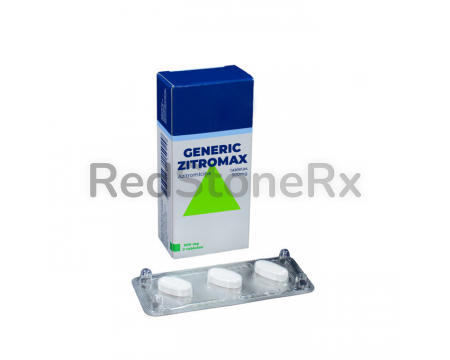
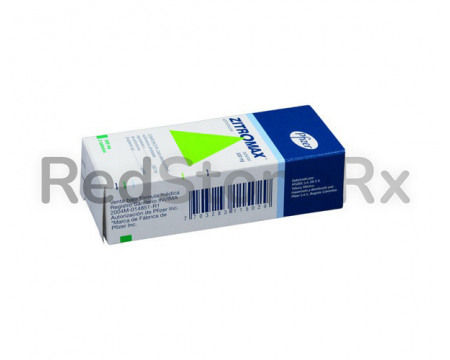
redstonerx-au.com ships Zithromax Generic discreetly to all Australian states and territories. Standard delivery: 4–9 business days.
New South Wales (Sydney, Newcastle, Wollongong, Central Coast) — Victoria (Melbourne, Geelong, Ballarat, Bendigo) — Queensland (Brisbane, Gold Coast, Sunshine Coast, Cairns, Townsville) — Western Australia (Perth, Fremantle, Bunbury, Mandurah) — South Australia (Adelaide, Mount Gambier, Whyalla) — Tasmania (Hobart, Launceston, Devonport) — Australian Capital Territory (Canberra) — Northern Territory (Darwin, Alice Springs).
All orders are dispatched in plain, unmarked packaging with no reference to the contents or sender. A tracking number is provided with every order.
Frequently Asked Questions — Zithromax (Azithromycin) in Australia
What is azithromycin most commonly used for in Australia? The most common indications in Australian clinical practice are: chlamydia (1g single dose — Australia's most notified infectious disease with >100,000 cases annually); community-acquired pneumonia caused by atypical organisms (Mycoplasma, Legionella, Chlamydophila); acute bacterial exacerbations of chronic bronchitis and COPD; pertussis (whooping cough) treatment and post-exposure prophylaxis; and MAC prophylaxis in HIV patients with advanced immunosuppression.
Is the single 1g dose for chlamydia still recommended in Australia? Yes — azithromycin 1g single dose remains an acceptable treatment for uncomplicated genital chlamydia in Australian guidelines, though current ASHM guidance increasingly favours doxycycline 100mg twice daily for 7 days (particularly for rectal chlamydia where azithromycin has lower efficacy). For genital chlamydia in pregnancy, azithromycin 1g single dose is the preferred choice as doxycycline is contraindicated. Discuss with your GP or sexual health clinician which option is best for your specific situation.
Why is azithromycin no longer recommended for gonorrhoea in Australia? Resistance of Neisseria gonorrhoeae to azithromycin has increased significantly in Australia, as documented by the Australian Gonococcal Surveillance Programme (AGSP). Azithromycin resistance rates have exceeded the threshold at which it can be reliably used for gonorrhoea treatment. Current Australian STI guidelines (ASHM) recommend ceftriaxone monotherapy for gonorrhoea — azithromycin is no longer part of the recommended regimen.
Can azithromycin treat COVID-19? No — the Oxford RECOVERY trial and multiple other large randomised controlled trials have established that azithromycin provides no meaningful benefit in COVID-19. The TGA, Australian Department of Health, and ATAGI do not recommend azithromycin for COVID-19. Using azithromycin for a viral infection contributes to antibiotic resistance without providing benefit. If you have COVID-19 and are at high risk, contact your Australian GP about PBS-subsidised antivirals (Paxlovid, Lagevrio).
Is azithromycin safe in pregnancy? Azithromycin is one of the safer antibiotics in pregnancy — it is pregnancy Category B1 in Australian drug classification (animal studies have shown no increased risk; limited human data). It is the preferred treatment for chlamydia in pregnancy (where doxycycline is contraindicated), and can be used for other bacterial infections when the benefit outweighs risk. Always consult your Australian GP or obstetrician before taking any antibiotic during pregnancy.
How long does delivery to Australia take? Standard delivery to all Australian states and territories takes 4 to 9 business days. All orders arrive in plain, unmarked packaging with no reference to the contents or sender. Every order includes a tracking number.
All information on this page is for general informational purposes only and does not constitute medical advice. Azithromycin is a Schedule 4 prescription medicine in Australia — always consult a qualified Australian GP, pharmacist, or specialist before use. Antibiotics should only be used for confirmed or strongly suspected bacterial infections.