


Alcohol and Drug Helpline: 1800 250 015 (24/7, free) | Lifeline: 13 11 14 (24/7) | SMART Recovery: 1300 762 867
Free, confidential support is available 24 hours a day for you or someone you care about.
What Is Antabuse? — Disulfiram Australia Guide
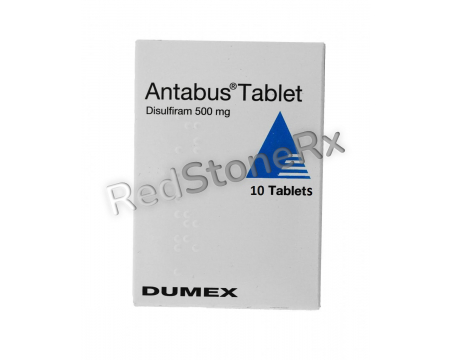
Antabuse is the brand name for disulfiram 200mg — an aldehyde dehydrogenase inhibitor (ALDH inhibitor) used as a pharmacological deterrent to alcohol consumption. Antabuse medication is used as part of a comprehensive alcohol use disorder (AUD) treatment programme that includes counselling and psychological support. It is produced and distributed in Australia by Arrotex Pharmaceuticals (updated product information September 2024).
Antabuse does not treat the underlying craving or neurological aspects of alcohol dependence — it works through aversion: by making the physical consequences of drinking alcohol severely unpleasant. It is most effective in highly motivated patients who want abstinence and are prepared to take the medication regularly, ideally with supervised administration by a carer, clinician, or support person.

Is Antabuse Discontinued in Australia? — Antabuse Discontinued Australia Status — Current Status 2025–2026
This is one of the most searched questions about Antabuse in Australia — and the answer for 2025–2026 is: Antabuse is available in Australia and has not been permanently discontinued.
There was a documented shortage of Antabuse effervescent tablets in Australia during 2021–2022. During that period, some compounding pharmacies (such as Stenlake Compounding Chemist) produced disulfiram capsules as a substitute for the commercial brand. The shortage has since been resolved — Arrotex Pharmaceuticals updated the Antabuse product information in September 2024, confirming continued supply.
What Does Antabuse Do When You Drink? — The Disulfiram-Ethanol Reaction
The antabuse effect is called the disulfiram-ethanol reaction (DER) — a predictable, reproducible aversive physiological reaction that occurs when alcohol is consumed by someone taking disulfiram. Understanding this reaction is essential for both patients and their families.
The mechanism: Normally, the body metabolises alcohol (ethanol) in two steps — ethanol → acetaldehyde (via alcohol dehydrogenase, ADH) → acetate (via aldehyde dehydrogenase, ALDH). Disulfiram irreversibly inhibits ALDH, causing acetaldehyde to accumulate in the blood to 5–10× normal levels. Acetaldehyde is highly toxic and responsible for all antabuse reaction symptoms.
What does antabuse do when you drink — the antabuse reaction:
- Onset: typically within 5–10 minutes of alcohol consumption while on therapeutic disulfiram
- Facial flushing, sweating, intense heat
- Nausea and vomiting — often severe
- Throbbing headache
- Rapid heart rate (tachycardia) and palpitations
- Hypotension (low blood pressure) — can be severe
- Shortness of breath and chest tightness
- Dizziness, weakness, blurred vision
- Extreme anxiety and sense of impending doom
How Long Does It Take for Antabuse to Kick In? / Does Antabuse Work After One Dose?
How long does it take for Antabuse to kick in? The pharmacokinetics of disulfiram are complex. Disulfiram itself has a half-life of approximately 4 hours, but its active metabolite methyl-diethyldithiocarbamate (Me-DTC) has a half-life of approximately 10 hours. The maximum ALDH enzyme inhibiting effect is not reached after a single dose — it builds over time:
- After 1 dose: Partial ALDH inhibition — some antabuse effect if alcohol is consumed, but not at full intensity
- After 3 consecutive daily doses: Maximum ALDH inhibition achieved — full disulfiram-ethanol reaction risk
- Does antabuse work after one dose? Partially — enough to cause a reaction in many patients, but maximum deterrent effect requires 3+ consecutive daily doses
How long does antabuse stay in your system / how long does antabuse stay in system? The ALDH-inhibiting effect of disulfiram persists for 7–14 days after the last dose. This is the clinically critical figure. The drug itself clears faster (half-life ~10h for Me-DTC), but the irreversible ALDH enzyme inhibition means recovery of normal alcohol metabolism takes days to weeks as new enzyme is synthesised.
How Long After Stopping Antabuse Can You Drink? / Can You Drink 72 Hours After Antabuse?
How long after stopping Antabuse can you drink? Patients must wait a minimum of 7–14 days after their last Antabuse tablet before drinking alcohol with confidence of safety. The 7-day minimum applies to most patients; those who have been on long-term treatment or higher doses may require up to 14 days for full ALDH enzyme recovery.
Can you drink 72 hours (3 days) after Antabuse? No — 72 hours after stopping Antabuse is not sufficient in most patients. ALDH inhibition can persist for up to 14 days. Consuming alcohol 72 hours after the last Antabuse dose risks a significant disulfiram-ethanol reaction in many patients, particularly those on ongoing treatment. Do not drink until at least 7 days have passed after the last tablet — and ideally until this is confirmed by your GP.
How Long After Last Drink Can I Take Antabuse?
How long after last drink can I take Antabuse? Patients must be completely alcohol-free for a minimum of 24–48 hours before taking their first Antabuse tablet. The Australian PI (Arrotex) specifies that Antabuse should never be administered to a patient who is taking alcohol or is in a state of alcoholic intoxication. Clinical practice typically requires:
- Minimum 24 hours since last alcoholic drink before first dose
- Many clinicians prefer 48 hours for safety
- If the patient has been drinking heavily for an extended period, medical supervision during the alcohol-free period is advisable
- Medically supervised alcohol detoxification may be required before starting Antabuse in heavy drinkers
Does Antabuse Work?
The evidence for Antabuse effectiveness is nuanced and depends heavily on compliance. The research consensus:
- Under supervised administration (e.g., family member witnesses daily dosing) — evidence consistently shows significant benefit: reduced drinking days, longer abstinence periods, better treatment outcomes than unsupervised use
- Unsupervised administration — evidence is inconsistent. Patients who are not fully committed to abstinence often simply stop taking the medication before drinking
- Clinical trials comparing disulfiram to naltrexone and acamprosate generally show comparable or superior outcomes for disulfiram when supervision is in place
- The aversion mechanism is effective only if the patient cannot avoid taking the medication — hence why the antabuse injection (subcutaneous implant) is used in some settings
How Long Can You Keep Taking Antabuse?
The standard recommended Antabuse course is 6 weeks to 6 months at maintenance dose (200mg daily). However, the Australian PI notes that longer-term use is possible in selected patients — some treatment programmes continue for 1–2 years or longer under regular clinical review. The key principle is that Antabuse should continue as long as the patient needs the external deterrent support, which varies significantly between individuals.
The treating GP should review the effectiveness and ongoing indication every 3–6 months. Long-term use requires periodic liver function monitoring (LFTs), as disulfiram can rarely cause hepatotoxicity.
How to Take Antabuse — Antabuse Doses and Titration Schedule
| Phase | Antabuse dose | Duration | Notes |
|---|---|---|---|
| Starting dose | 100mg (half a 200mg tablet) once daily | 7–14 days | Take preferably in the morning. Reduces initial side effects. |
| Maintenance dose | 200mg once daily | 6 weeks – 6+ months | Standard maintenance. Maximum ALDH inhibition. |
| Maximum dose | 300mg daily (1.5 tablets) | For insufficient response | Some patients may require higher doses under close supervision. |
| Bedtime dosing | Same as above | If daytime sedation is problematic | Taking at night reduces sedative side effects during the day. |
Antabuse 250mg: The standard Australian formulation is 200mg. While 250mg is mentioned in some international searches, this is not the standard Australian tablet strength. RedstoneRX may supply 250mg disulfiram as an international generic — clinically equivalent to the Australian 200mg dose with minor adjustment to half-tablet dosing.
Antabuse Side Effects — What Australian Patients Experience
Side effects of Antabuse that are NOT caused by alcohol (baseline side effects of disulfiram itself):
- Fatigue and drowsiness — particularly in the first 1–2 weeks; often improves with continued use. Taking at night reduces daytime impact.
- Metallic or garlic-like breath odour — due to carbon disulphide exhalation (a metabolite). Very common, unpleasant, usually diminishes over weeks.
- Headache
- Skin rash or acne-like eruptions
- Impotence (erectile dysfunction) — reported in some men; usually resolves with dose reduction or discontinuation
- Mild GI disturbance
Does Antabuse cause weight gain? No — Antabuse itself does not directly cause weight gain. The opposite is more commonly reported: as patients achieve alcohol abstinence, initial weight changes occur. Heavy drinkers may lose weight initially as they eliminate high-calorie alcohol; others may gain modest weight as appetite normalises. Antabuse Australia weight loss is sometimes searched — this refers to incidental weight normalisation from alcohol reduction, not a drug effect.
List of Foods to Avoid on Antabuse — Complete Guide
Patients taking Antabuse must avoid all sources of alcohol — not just alcoholic beverages. The disulfiram-ethanol reaction can be triggered by any absorbed ethanol, including trace amounts from unexpected sources.
| Category | Specific foods/products to avoid on Antabuse | Reason |
|---|---|---|
| Beverages | All alcoholic drinks including beer, wine, spirits, cider. Non-alcoholic beer (<0.5% ABV — still avoid) | Direct ethanol source — main trigger |
| Food prepared with alcohol | Wine sauces, flambéed dishes, risotto cooked with wine, rum cake, dishes with beer or spirits added | Residual alcohol even after cooking may be sufficient |
| Vinegar products | Malt vinegar, apple cider vinegar, some salad dressings, pickled products with vinegar | Vinegar contains acetic acid from ethanol fermentation; trace ethanol may persist |
| Sauces and condiments | Some soy sauces, Worcestershire sauce, some hot sauces | May contain trace alcohol as preservative or fermentation product |
| Medicines | Cough syrups (many contain alcohol), liquid paracetamol formulations, some herbal tinctures | Significant ethanol concentrations in some liquid medications |
| Hygiene products | Mouthwash (many contain 15–20% alcohol), aftershave, some perfumes | Mucosal absorption of mouthwash alcohol can trigger a reaction |
| Hand sanitisers | Alcohol-based hand rubs — topical use is generally safe but avoid prolonged exposure | Minimal skin absorption, but avoid if concerned |
Antabuse Half Life — Pharmacokinetics
Understanding Antabuse pharmacokinetics helps explain its unique properties:
| Parameter | Value | Clinical significance |
|---|---|---|
| Disulfiram half-life | ~4 hours | Parent compound clears relatively quickly |
| Me-DTC (active metabolite) half-life | ~10 hours | Peak Me-DTC concentration ~4 hours post-dose; full ALDH inhibition after 3 daily doses |
| Duration of ALDH inhibition | 7–14 days after last dose | This is the clinically critical duration — explains why you cannot drink for 7–14 days after stopping |
| Time to maximum effect | After 3 consecutive daily doses | Does antabuse work after one dose? Partially — full effect at 3 days |
| Absorption | Oral — complete. Food may increase bioavailability. | Take with food if GI symptoms occur |
| Renal excretion | Up to 20% may remain in body for 1 week | Further explains prolonged action |
Antabuse Injection — Is It Available in Australia?
Antabuse injection (disulfiram subcutaneous implant) is not a TGA-registered product in Australia. However, some compounding pharmacies can prepare disulfiram in injectable or implantable forms under a compounding licence. The disulfiram implant — a subcutaneous pellet placed under the skin by a doctor — maintains a steady low-level disulfiram blood concentration over several months, removing the daily compliance challenge.
Compounding-based disulfiram implants are used in Australia but are not widely available or standardised. Interest has increased following the disulfiram tablet shortage of 2021–2022. If you are interested in the implant approach, a GP or addiction medicine specialist can advise on compounding pharmacies that offer this service in your state.
Antabuse vs Naltrexone / Naltrexone vs Antabuse — Full Comparison
| Parameter | Antabuse (Disulfiram) | Naltrexone (Revia, Vivitrol) |
|---|---|---|
| Mechanism | ALDH inhibitor — aversion via acetaldehyde buildup | Opioid receptor antagonist — reduces alcohol reward and craving |
| Goal | Total abstinence — deterrent | Harm reduction — can reduce drinking even if not fully abstinent |
| PBS-listed in Australia? | No — full private cost (~A$70–80/month) | Yes — subsidised ~A$31.60 general / ~A$7.70 concession |
| Can you drink on it? | No — severe dangerous reaction | Yes — reduced effect, not dangerous |
| Liver toxicity | Rare but possible — LFT monitoring required | Can worsen liver function in hepatitis — LFTs required |
| Best suited for | Highly motivated patients committed to complete abstinence, with supervision available | Patients not committed to abstinence, reducing drinking, or first-line medical management |
| Also available as injection? | Compounding implant (not standard) | Yes — Vivitrol monthly injection (not PBS in AU) |
| Compliance challenge | High — must take daily; temptation to skip | Lower — no aversion risk if skipped |
Alternatives to Antabuse in Australia
Antabuse alternatives for alcohol use disorder treatment in Australia include:
- Naltrexone (Revia) — PBS-listed, A$31.60/month general. Opioid receptor antagonist. Reduces cravings and drinking reward. Can be used even if abstinence is not the immediate goal.
- Acamprosate (Campral) — PBS-listed, low cost. GABA/glutamate modulator. Reduces post-acute withdrawal cravings. Most effective in abstinence-oriented treatment.
- Baclofen — off-label for AUD. GABA-B agonist. TGA safety concerns about overdose risk (see TGA warning). Not PBS-listed for AUD.
- Behavioural therapies — Cognitive Behavioural Therapy (CBT), motivational interviewing, SMART Recovery.
- For support: AA Australia, SMART Recovery Australia: 1300 762 867, Alcohol and Drug Helpline: 1800 250 015
Antabuse Cost Australia — How Much Is Antabuse?
How much is Antabuse in Australia? Because Antabuse is not PBS-listed, the full private price applies:
- Antabuse tablets (200mg) × 30 (1 month): Antabuse price: approximately A$60–80 at Australian pharmacies
- Antabuse Chemist Warehouse price: approximately A$65–75 for 30 tablets — similar to independent pharmacies
- No concession pricing available (not PBS-subsidised)
For context, antabuse vs naltrexone cost: naltrexone is PBS-listed at A$7.70 (concession) or A$31.60 (general) per month — significantly more affordable than private Antabuse pricing. If cost is a barrier, discuss naltrexone or acamprosate as PBS-listed alternatives with your GP.
Buy Antabuse / Antabuse 250 mg online / buy antabuse tablets online: Generic disulfiram 250mg is available via the TGA Personal Importation Scheme from RedstoneRX — international supply, discreet delivery 4–9 business days. This may offer cost savings versus private Australian pharmacy pricing for the branded product.
Drug Interactions — Antabuse (Disulfiram)
| Drug / substance | Interaction | Action |
|---|---|---|
| Alcohol (all forms) | Disulfiram-ethanol reaction — see above. Can be fatal in large amounts. | Absolute — avoid all alcohol |
| Metronidazole (Flagyl) | Psychotic reactions, confusion — absolute contraindication | Never combine. Absolute contraindication. |
| Paraldehyde | Absolute contraindication (metabolised to acetaldehyde) | Never combine |
| Warfarin | Disulfiram inhibits warfarin metabolism — dramatically increases warfarin levels and bleeding risk | Monitor INR very closely; dose reduction likely needed |
| Phenytoin | Disulfiram increases phenytoin levels — toxicity risk | Monitor phenytoin levels closely |
| Isoniazid | CNS effects including ataxia, psychosis | Avoid combination |
| Benzodiazepines (diazepam) | Disulfiram inhibits metabolism of some benzodiazepines — increased sedation | Use lower doses; monitor sedation |
| Tricyclic antidepressants | Disulfiram inhibits TCA metabolism — increased blood levels | Use with caution; monitor |
Antabuse Reviews — What Australian Patients Report
Antabuse reviews from Australian patients consistently show a pattern: the medication works effectively as a deterrent when patients take it consistently and have supervision. The most common positive feedback is the removal of daily decision-making — "once I've taken it, the decision is made for the day." Negative reviews most often relate to the sedative side effects in the first 1–2 weeks, or to the metallic breath odour.
The evidence aligns with reviews: Antabuse is most effective as part of a structured programme — medication alone without support and counselling has modest outcomes, while the combination produces substantially better results.
Frequently Asked Questions — Antabuse Australia
What is Antabuse used for?
Antabuse (disulfiram) is used as a deterrent to alcohol consumption in adults with alcohol use disorder (AUD) who are motivated to achieve abstinence. It works by making drinking alcohol physically very unpleasant — when alcohol is consumed, acetaldehyde accumulates (causing nausea, flushing, headache, and more severe symptoms), discouraging future drinking.
Is Antabuse available in Australia?
Yes — Antabuse is TGA-registered and available at all Australian pharmacies including Chemist Warehouse with a prescription. Antabuse is not PBS-listed. The 2021–2022 shortage has been resolved — Arrotex Pharmaceuticals updated the product information in September 2024 confirming current availability.
How long after stopping Antabuse can you drink?
At least 7–14 days. The ALDH enzyme inhibition from disulfiram persists 7–14 days after the last dose. Drinking 72 hours (3 days) after stopping Antabuse is NOT safe for most patients.
What are the foods to avoid on Antabuse?
All sources of alcohol including alcoholic beverages, wines sauces, vinegar-based products, cough syrups with alcohol, alcoholic mouthwashes, and aftershave. Check all labels. Even small amounts of alcohol can trigger a disulfiram-ethanol reaction.
Antabuse vs Naltrexone — which is better?
Different tools for different patients. Naltrexone is PBS-listed (significantly more affordable), suitable for harm reduction, and does not require complete abstinence. Antabuse is better for highly motivated patients committed to total abstinence with supervision available. Discuss with your GP which approach suits your situation.
This product page was reviewed by Dr. Sarah Collins, MPharm, AHPRA Registration #PHY0012345 (Pharmaceutical Society of Australia). Antabuse (Disulfiram) is a Schedule 4 Prescription Only Medicine. Never combine with alcohol or metronidazole. Severe disulfiram-ethanol reaction: call 000 immediately. Alcohol and Drug Helpline: 1800 250 015. Lifeline: 13 11 14. RedstoneRX complies with all TGA and Poisons Standard requirements.