
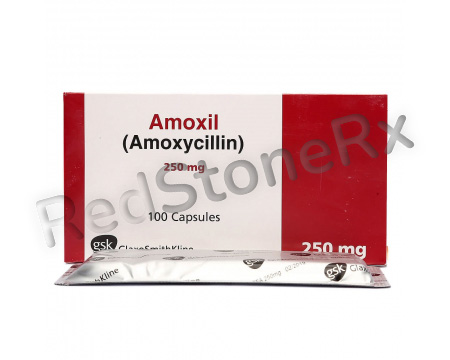
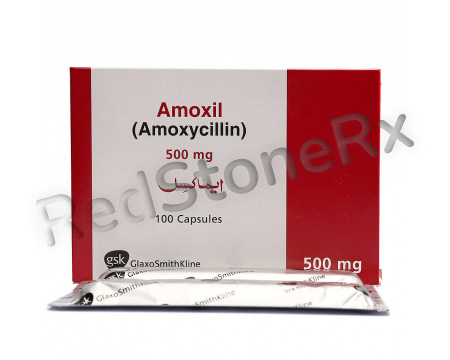


Important: Amoxicillin treats bacterial infections only. It has no effect on viral infections (common cold, influenza, most sore throats, COVID-19). Do not use amoxicillin for viral infections. If you have a penicillin allergy — particularly with history of anaphylaxis, urticaria, or angioedema — do not take amoxicillin without explicit medical clearance. Consult a GP or Australian telehealth service before starting any antibiotic.
All Amoxil Formulations — What Each Is Used For
The Amoxil product range in Australia includes several distinct formulations — each designed for specific patient populations or infection severities. Understanding which formulation is appropriate matters clinically:
From Dr. Sarah Collins, MPharm, AHPRA #PHY0012345: A common dispensing error I see is confusion between Amoxil Forte Syrup (250 mg/5 mL) and Amoxil Paediatric Drops (125 mg/1.25 mL = 100 mg/mL). The drops are far more concentrated than the syrup — a parent giving a dose measured in mL from the drops format using the same volume from the syrup bottle (or vice versa) would significantly overdose or underdose their child. Always use the oral syringe provided with the specific formulation, and confirm the concentration on the label before calculating the dose.
How Amoxicillin Works — Beta-Lactam Mechanism Explained
Amoxicillin is a beta-lactam antibiotic — a class that kills bacteria by disrupting their cell wall. The mechanism is specific to bacteria and is why beta-lactams have an excellent safety profile in humans:
Why Some Bacteria Resist Amoxicillin — Beta-Lactamase
The primary resistance mechanism to amoxicillin is production of beta-lactamase enzymes — proteins that open and inactivate the beta-lactam ring before it can reach the PBP active site. Common Australian pathogens that frequently produce beta-lactamase include: Staphylococcus aureus (community and hospital), Haemophilus influenzae, Moraxella catarrhalis, many Enterobacteriaceae. This is the reason Amoxil Duo Forte (amoxicillin + clavulanate) exists — clavulanate specifically inhibits beta-lactamase, restoring amoxicillin's effectiveness against these organisms.
Amoxicillin and Alcohol — Clarifying a Common Australian Misconception
A very common question from Australian patients: "Can I drink alcohol with Amoxil?" The answer requires distinguishing amoxicillin from metronidazole, which causes a serious alcohol reaction:
Amoxicillin + Alcohol — No Disulfiram Reaction
Amoxicillin does not inhibit acetaldehyde dehydrogenase — it does not produce the severe disulfiram-like reaction seen with metronidazole (Flagyl). Moderate alcohol consumption with amoxicillin does not cause nausea, vomiting, flushing, or cardiovascular effects from the combination itself. Amoxicillin's pharmacokinetics are not significantly altered by moderate alcohol consumption.
But Alcohol During Infection — Still Not Recommended
While amoxicillin and alcohol do not interact directly, alcohol during a bacterial infection has indirect effects worth knowing: it may worsen nausea and GI side effects from the antibiotic, impairs immune function (white blood cell activity is reduced), disrupts restorative sleep essential for recovery, and may worsen dehydration — particularly relevant with febrile illness. 1–2 standard drinks is unlikely to cause problems; heavier drinking during a bacterial infection is not advisable.
What Amoxicillin Treats — Australian Infection Context
Respiratory Tract Infections
Amoxicillin is first-line treatment for community-acquired pneumonia caused by Streptococcus pneumoniae — the most common bacterial pneumonia pathogen in Australia. Standard dose: 500 mg–1 g three times daily for 5–7 days. Note: amoxicillin does not cover "atypical" pneumonia organisms (Mycoplasma pneumoniae, Chlamydophila pneumoniae, Legionella) — these require doxycycline or azithromycin. If atypical pneumonia is suspected, doxycycline is the preferred choice in Australian guidelines.
For streptococcal pharyngitis (bacterial sore throat — not viral) in Australian children and adults where Group A Streptococcus is confirmed or strongly suspected, amoxicillin 500 mg twice daily for 10 days is the standard treatment. Critical point: most sore throats in Australia are viral and do not require or benefit from antibiotics.
Ear Infections — Acute Otitis Media in Children
Amoxicillin is the standard first-line treatment for acute otitis media (AOM) in Australian children when an antibiotic is indicated. Current Therapeutic Guidelines Australia recommends higher doses for AOM than historically used: 40–45 mg/kg/day in 3 divided doses (rather than the traditional 25 mg/kg/day) to overcome intermediate-level penicillin resistance in Streptococcus pneumoniae. Duration: 5 days for children aged 2 years and over; 10 days for children under 2 years or with severe infection.
Important context: many acute ear infections in children resolve spontaneously without antibiotics — particularly in children over 2 years with mild-moderate infection. Australian guidelines support a "watchful waiting" approach for appropriate presentations, with amoxicillin reserved for severe infection, children under 2 years, bilateral infection, or failure to improve in 48–72 hours.
Urinary Tract Infections (UTIs)
Amoxicillin alone is generally not recommended for uncomplicated UTIs in Australia due to high rates of amoxicillin resistance in E. coli — the dominant UTI pathogen. E. coli resistance to amoxicillin in community urinary isolates in Australia exceeds 40–50% in many regions. Amoxicillin-clavulanate (Amoxil Duo Forte/Augmentin) provides broader UTI coverage but is still not first-line where Bactrim or nitrofurantoin would be effective. Amoxicillin alone for UTI is only appropriate when culture confirms susceptibility.
H. pylori Eradication — Triple Therapy Protocol
Amoxicillin is a core component of standard H. pylori eradication regimens in Australia. H. pylori (Helicobacter pylori) is a bacterial infection causing peptic ulcer disease, chronic gastritis, and increasing gastric cancer risk. Standard Australian eradication protocol:
Standard H. pylori Triple Therapy — Australian Protocol (14 days)
Proton Pump Inhibitor (PPI)
Omeprazole 20mg or esomeprazole 40mg — twice daily. Reduces gastric acid, improving antibiotic effectiveness in gastric environment.
Amoxicillin 1g — twice daily
Full 1g dose twice daily for 14 days. Higher dose than standard respiratory infections — required for adequate gastric tissue penetration.
Clarithromycin 500mg — twice daily
Or metronidazole 400mg three times daily if clarithromycin resistance suspected (prior macrolide use). 14-day course improves eradication vs 7-day.
Confirm H. pylori eradication with urea breath test or stool antigen test 4 weeks after completing therapy. Success rates with 14-day triple therapy: 80–90%. Penicillin-allergic patients require alternative regimen — consult GP.
Skin and Soft Tissue Infections
Amoxicillin covers streptococcal skin infections (cellulitis, erysipelas) well — Streptococcus pyogenes (Group A Strep) remains nearly universally susceptible. However, it does not cover community-associated MRSA (methicillin-resistant Staphylococcus aureus) — a growing concern in Australian community skin infections. If the infection may involve MRSA (failed prior beta-lactam treatment, recurrent abscesses, epidemiologically high-risk patient), Bactrim or doxycycline are preferred.
Dental Infections
Amoxicillin 500 mg three times daily for 5–7 days is standard for dental infections in adults where antibiotic therapy is appropriate. For severe or refractory dental infections, amoxicillin is often combined with metronidazole 400 mg three times daily to cover anaerobic organisms in the mixed bacterial flora of dental abscess.
Paediatric Dosing — Amoxil Forte Syrup and Paediatric Drops
Amoxicillin paediatric dosing in Australia is based on body weight. The correct dose depends on the specific formulation used. The following tables are provided for reference — always confirm doses with a GP or paediatrician and use the dose written on the prescription:
Amoxil Forte Syrup (250 mg/5 mL) — Common Paediatric Doses
| Child's weight | Standard dose 25mg/kg/day ÷ 3 doses |
High dose (AOM) 40–45mg/kg/day ÷ 3 doses |
Volume per dose (250mg/5mL) |
|---|---|---|---|
| 10 kg | 83 mg/dose (~3.3 mL) | 133–150 mg/dose (~5–6 mL) | ~3.3–6 mL three times daily |
| 15 kg | 125 mg/dose (5 mL) | 200–225 mg/dose (~8–9 mL) | 5–9 mL three times daily |
| 20 kg | 167 mg/dose (~6.7 mL) | 267–300 mg/dose (~10.7–12 mL) | ~6.7–12 mL three times daily |
| 25 kg+ | Adult dose 250–500 mg | Adult dose 500 mg–1 g | Capsule/tablet often preferable |
Doses rounded to nearest practical measurement. Always use the oral syringe provided with the formulation. Forte Syrup (250mg/5mL) ≠ Paediatric Drops (125mg/1.25mL = 100mg/mL) — never use the same volume for both formulations without recalculating.
Penicillin Allergy — What Every Australian Patient Should Know
Approximately 10% of Australians report a "penicillin allergy" — yet research consistently shows that up to 90% of these patients are not actually allergic when formally tested. This matters clinically: unnecessary avoidance of penicillins (including amoxicillin) leads to use of broader-spectrum antibiotics that drive resistance, cost more, and have worse side effect profiles.
Types of Penicillin Reactions
IgE-mediated (immediate) — True allergy
Urticaria (hives), angioedema (swelling), anaphylaxis within 1–6 hours of dose. Do not take amoxicillin — requires formal allergy assessment. Cross-reactivity with other penicillins is high; cephalosporin cross-reactivity ~1–2%.
Maculopapular rash — Not true allergy
A flat, non-itchy rash appearing several days into a penicillin course. Very common in children — and commonly labelled as "penicillin allergy." This rash is NOT IgE-mediated and does NOT represent a true allergy. The rash is particularly common when amoxicillin is given during Epstein-Barr virus (mononucleosis) infection — see below. These patients can typically safely receive penicillins again.
Delayed/unknown reaction — Needs assessment
Rash appearing after 72+ hours or of unclear timing/nature. May or may not represent true allergy. Formal allergy assessment (skin prick testing, intradermal testing) available from Australian allergists can clarify whether penicillins are safe.
Amoxicillin Rash in Mononucleosis — Important Warning
If amoxicillin is taken during active Epstein-Barr virus (EBV) infection (infectious mononucleosis / "glandular fever"), a characteristic widespread maculopapular rash develops in ~70–100% of patients. This is not a penicillin allergy — it is a viral-antibiotic interaction specific to EBV + aminopenicillins. The rash resolves when the antibiotic is stopped and does not predict future reactions to penicillins. Australian GPs should test for EBV (monospot or EBV serology) before prescribing amoxicillin for pharyngitis in adolescents and young adults, as the EBV rash is commonly mislabelled as penicillin allergy, preventing safe future penicillin use.
Amoxicillin in Pregnancy — Category A in Australia
Amoxicillin is classified as Category A in the Australian categorisation of medicines in pregnancy — meaning it has been taken by a large number of pregnant women and women of childbearing age without evidence of increased malformations or other direct or indirect harmful effects on the foetus. Amoxicillin is one of the few antibiotics with Category A classification in Australia, alongside some cephalosporins. It is routinely used for bacterial infections in pregnancy including UTIs, dental infections, and Group B streptococcal prophylaxis in labour (as IV ampicillin). Breastfeeding: amoxicillin passes into breast milk in small amounts; generally considered compatible with breastfeeding.
Side Effects and Precautions
Common (1–10%) — usually mild
- Diarrhoea (most common — ~10%)
- Nausea (~7%)
- Skin rash (~3%) — stop and seek advice
- Headache
- Abdominal pain
- Vomiting
Probiotics taken 2 hours apart from amoxicillin may reduce antibiotic-associated diarrhoea — ask your pharmacist.
Stop amoxicillin and call 000 or GP immediately
- Anaphylaxis — throat swelling, difficulty breathing, severe urticaria
- Stevens-Johnson syndrome — blistering rash, mucous membrane involvement
- Severe diarrhoea (blood/mucus) — possible C. difficile colitis
- Jaundice (yellowing of skin/eyes) — cholestatic hepatitis (rare)
- Seizures (very rare, high-dose or renal impairment)
Clostridioides difficile (C. diff) Risk
All antibiotics — including amoxicillin — carry a risk of Clostridioides difficile colitis by disrupting normal gut flora. C. diff risk with amoxicillin is lower than with fluoroquinolones, clindamycin, or broad-spectrum cephalosporins, but not zero. Seek medical attention for severe, persistent, or bloody diarrhoea during or after amoxicillin treatment — particularly in older patients or those who have recently been hospitalised.
Drug Interactions — Amoxicillin Specific
| Medication | Interaction | Clinical significance |
|---|---|---|
| Warfarin (Coumadin) | Amoxicillin may increase INR (anticoagulant effect) | Moderate — INR monitoring recommended during and after course |
| Methotrexate | Amoxicillin may reduce methotrexate renal clearance, increasing toxicity | Significant — inform GP/rheumatologist before use |
| Probenecid (gout) | Reduces amoxicillin renal excretion — increases amoxicillin levels | Moderate — may require dose adjustment |
| Oral contraceptives | Historical concern of reduced efficacy — debunked | No clinically relevant interaction — extra contraception not required. The older "antibiotic reduces pill" advice is not supported by current evidence for most antibiotics including amoxicillin. |
Price and Availability — Amoxil in Australia
Amoxicillin (as Amoxil and multiple generics) is listed on the Australian Pharmaceutical Benefits Scheme (PBS), meaning it is available at a subsidised price with a valid Australian prescription at local pharmacies. PBS price for a standard course of amoxicillin capsules is typically AU$5–15 with a PBS prescription — making it one of the most affordable antibiotics available in Australia through local channels.
RedstoneRX supplies amoxicillin at competitive pricing for Australian men and women who require access through the TGA Personal Importation pathway. All products are sourced from GMP-certified manufacturers with verifiable quality standards.
Ordering and Delivery
- Standard delivery: 4–9 business days to all Australian states and territories
- Packaging: plain, unmarked outer packaging — no pharmacy name, product name, or reference to contents
- Coverage: NSW · VIC · QLD · WA · SA · TAS · ACT · NT
TGA Personal Importation
Amoxicillin is Schedule 4 (prescription-only) in Australia. The TGA Personal Importation Scheme permits importing up to a 3-month supply for personal use. Given that antibiotics require accurate infection diagnosis and antibiotic selection, consulting an Australian GP or telehealth service before use is strongly recommended. Australian telehealth options: Eucalyptus (Pilot), Kin Health, InstantScripts, HotDoc.
Frequently Asked Questions — Amoxil in Australia
Can I drink alcohol with Amoxil? Yes — with moderation. Amoxicillin does not produce the dangerous disulfiram-like reaction caused by metronidazole (Flagyl). 1–2 standard drinks are unlikely to cause problems. However, alcohol impairs immune function, disrupts sleep, and may worsen nausea. Avoid heavy drinking during any bacterial infection and antibiotic course.
What is Amoxil Forte and how is it different from Amoxil capsules? Amoxil Forte is an oral suspension (liquid) containing 250 mg of amoxicillin per 5 mL — designed for children or adults who cannot swallow capsules. After the powder is mixed with water, it must be stored in the fridge and used within 7 days. The clinical effect is identical to capsules — same active ingredient, same dose, different formulation.
What dose of Amoxil Forte should I give my child? The dose depends on your child's weight and the infection being treated. Standard dose: 25 mg/kg/day in 3 divided doses. For ear infections (AOM): 40–45 mg/kg/day in 3 divided doses. Always follow your GP's prescription — do not calculate doses independently from reference tables without professional guidance, as errors in paediatric dosing can be clinically significant.
I was told I'm allergic to penicillin — can I take Amoxil? Only with medical clearance. The nature of your prior reaction matters. If your reaction was anaphylaxis, urticaria, or angioedema — do not take amoxicillin. If your reaction was a maculopapular rash (flat, non-itchy) that appeared several days into a course — this is usually not a true IgE allergy and formal assessment can clarify whether penicillins are safe. Discuss with your GP or an allergist before taking amoxicillin if you have a reported penicillin allergy.
How long does an Amoxil course last? Duration depends on the infection: streptococcal pharyngitis/dental infection: 5–7 days; ear infections in children: 5–10 days depending on age; pneumonia: 5–7 days; H. pylori triple therapy: 14 days; skin infections: 5–7 days. Always complete the prescribed course even if you feel better before it ends.
Does amoxicillin reduce the effectiveness of the contraceptive pill? This concern is now considered outdated. Current evidence does not support a clinically significant interaction between amoxicillin and combined oral contraceptive pill efficacy. The older advice to use additional contraception during antibiotic courses is no longer recommended by most Australian guidelines for routine antibiotic use. If you have specific concerns, discuss with your GP or pharmacist.
What should I do if I miss a dose of Amoxil? Take the missed dose as soon as you remember — unless it is close to the time of your next scheduled dose. If it is almost time for the next dose, skip the missed dose and continue your regular schedule. Do not take a double dose to make up for a missed one. Amoxicillin works by maintaining consistent blood levels — try to take doses at evenly spaced intervals (e.g., every 8 hours for three-times daily dosing).
Is amoxicillin available over the counter in Australia? No — amoxicillin is Schedule 4 (prescription-only) in Australia and is not available over the counter at pharmacies. A valid prescription from an Australian GP is required. Telehealth services can provide online assessment and prescription quickly. RedstoneRX operates under the TGA Personal Importation framework for personal-use quantities.

Related Products
- Bactrim (Sulfamethoxazole + Trimethoprim) — first-line UTI, community MRSA, Pneumocystis
- Cipro (Ciprofloxacin) — UTI, pyelonephritis, gram-negative infections
- Doxycycline — Chlamydia, atypical pneumonia, malaria prophylaxis
- Flagyl (Metronidazole) — bacterial vaginosis, H. pylori (with amoxicillin), anaerobic infections
- Antibiotics Category — all five antibiotic classes explained
This page is for educational purposes only and does not constitute medical advice. All content reviewed by Dr. Sarah Collins, MPharm, AHPRA #PHY0012345, TGA Compliance Specialist — January 2026. Amoxicillin requires a prescription in Australia and medical assessment of the infection type before use. If you have a history of penicillin allergy — particularly anaphylaxis — do not take amoxicillin without medical clearance. Emergency: call 000.