


Medically reviewed by Dr. Sarah Collins, RPh, Clinical Pharmacist — Updated January 2026
What Is Aralen (Chloroquine Phosphate)? — Three Distinct Indications
Chloroquine phosphate has three clinically established uses relevant to Australian patients:
- Malaria prophylaxis and treatment — for travel to and infection from chloroquine-sensitive Plasmodium species in specific geographic regions
- Rheumatoid Arthritis (RA) — as a disease-modifying antirheumatic drug (DMARD), though hydroxychloroquine is now generally preferred in Australia
- Systemic Lupus Erythematosus (SLE) — as immunomodulatory maintenance therapy, though hydroxychloroquine is the current standard per EULAR guidelines
Malaria and Australian Travellers — The Essential Geographic Guide
The most critical piece of information Australian travellers need before purchasing chloroquine for malaria prevention is whether their specific destination has chloroquine-sensitive or chloroquine-resistant Plasmodium falciparum. Using chloroquine in a region where resistance is widespread provides no protection and creates false reassurance — potentially life-threatening for Australian travellers.
Regions where chloroquine remains appropriate for malaria prophylaxis (as per Australian DTAG/Travel Medicine Alliance 2025–2026 guidance):
- Central America north of the Panama Canal: Mexico (rural areas only, not major tourist cities), Guatemala, Honduras, Nicaragua, Costa Rica, Panama (north of the Canal only). P. falciparum in these regions remains largely chloroquine-sensitive
- Caribbean: Haiti, Dominican Republic — chloroquine-sensitive P. falciparum. Other Caribbean islands have negligible malaria risk
- North Africa: Egypt (Nile River Delta, El Faiyum areas), Morocco, Algeria, Tunisia — very limited and decreasing malaria risk; chloroquine-sensitive when present
- Middle East: Iraq, Iran (rural southeastern border regions), Yemen, Syria — limited risk; chloroquine-sensitive where present
- Parts of Central Asia: Some rural areas of Afghanistan, Pakistan, Tajikistan — predominantly P. vivax (chloroquine-sensitive)
Regions where chloroquine is NOT appropriate — resistance is widespread:
- Sub-Saharan Africa — avoid chloroquine entirely: P. falciparum resistance to chloroquine is near-universal throughout Sub-Saharan Africa — the world's highest malaria transmission region. This includes popular Australian travel and aid worker destinations: Kenya, Tanzania, Uganda, Rwanda, Ethiopia, Ghana, Nigeria, Mozambique, Zimbabwe, Madagascar and all others. Malarone (atovaquone/proguanil) or doxycycline are required
- Southeast Asia — avoid chloroquine: Thailand, Vietnam, Cambodia, Myanmar, Laos, Indonesia, Philippines — widespread multidrug resistance including to chloroquine. Malarone or doxycycline required
- Pacific (PNG, Solomon Islands, Vanuatu): Papua New Guinea — high chloroquine resistance, high transmission burden. Important for Australian aid workers, missionaries, and military. Malarone or doxycycline required
- Indian Subcontinent: India, Bangladesh, Sri Lanka, Nepal — mixed resistance situation; chloroquine not generally recommended for P. falciparum; P. vivax may still respond but expert guidance required
- Amazon Basin: Brazil, Peru, Colombia, Bolivia — chloroquine resistance widespread; Malarone required
Australian travel medicine recommendation: Before any trip to a malaria-endemic region, consult an Australian travel medicine specialist or GP with travel medicine experience. The Travel Medicine Alliance of Australia and New Zealand (TMANZ) and Travelvax Australia clinics provide expert destination-specific malaria prophylaxis guidance. Regional resistance patterns change — specialist guidance is essential.

Chloroquine vs Other Australian Malaria Prophylaxis Options
| Chloroquine (Aralen) | Atovaquone/Proguanil (Malarone) | Doxycycline | Mefloquine (Lariam) | |
|---|---|---|---|---|
| Coverage | Chloroquine-sensitive regions only | All malaria-endemic regions | All malaria-endemic regions | Most regions (except some SE Asia) |
| Dosing frequency | Once weekly | Once daily | Once daily | Once weekly |
| Start before travel | 1–2 weeks | 1–2 days | 1–2 days | 2–3 weeks (to assess tolerance) |
| Continue after travel | 4 weeks | 7 days | 4 weeks | 4 weeks |
| Main advantage | Weekly dosing; low cost | Broad coverage; short post-travel course | Low cost; broad coverage; anti-acne benefit | Weekly dosing for long trips |
| Main disadvantage | Resistance — most popular destinations | Daily; expensive (not PBS-listed) | Daily; photosensitivity; GI effects | Neuropsychiatric side effects risk |
| Suitable for pregnancy | Yes — in chloroquine-sensitive regions | No — avoid in pregnancy | No — contraindicated | Limited — consult specialist |
| PBS listing Australia | Not currently PBS-listed for malaria prophylaxis | Not PBS-listed for prophylaxis | Not PBS-listed for malaria prophylaxis | Not PBS-listed for prophylaxis |
| Australian price | From $31.85 | $3–4/tablet ($90–130/month) | $0.50–1/tablet ($15–30/month) | $8–12/tablet ($35–50/month) |
Chloroquine vs Hydroxychloroquine — For Australian Rheumatology Patients
Both chloroquine and hydroxychloroquine (Plaquenil) are aminoquinolines used for rheumatoid arthritis and systemic lupus erythematosus. Australian rheumatologists now strongly prefer hydroxychloroquine for these indications:
| Chloroquine (Aralen) | Hydroxychloroquine (Plaquenil) | |
|---|---|---|
| Mechanism | Identical — lysosomal pH alteration, immunomodulation | Identical |
| Retinopathy risk | Higher — at equivalent doses | Lower — preferred for long-term use |
| Maximum safe daily dose | Strictly ≤4 mg/kg/day | Strictly ≤5 mg/kg/day (ideal body weight) |
| Australian rheumatology preference | Less preferred — higher retinopathy risk | Strongly preferred by Australian rheumatologists |
| PBS listing in Australia | Limited PBS access | PBS-listed for RA and SLE |
| EULAR SLE guidelines | Alternative to HCQ | Recommended for all SLE patients without contraindication |
| Ophthalmological monitoring required | Yes — annually from year 1 | Yes — from year 5 (or earlier if risk factors) |
For Australian RA and SLE patients: If you have been prescribed hydroxychloroquine (Plaquenil) by an Australian rheumatologist, do not substitute chloroquine without consulting your specialist. They are related but not interchangeable. Hydroxychloroquine is the PBS-listed preferred option for most Australian rheumatology patients.
How Chloroquine Works — Mechanism of Action
Antimalarial mechanism: Malaria parasites (Plasmodium species) break down haemoglobin in red blood cells as their primary nutrient source — releasing toxic free haem (ferriprotoporphyrin IX) as a byproduct. Parasites normally detoxify this haem by polymerising it into insoluble haemozoin (malaria pigment). Chloroquine accumulates selectively in the parasite's acidic digestive vacuole and inhibits haem polymerase — causing toxic free haem to accumulate and kill the parasite. This mechanism is parasite-selective because human cells do not use this haem polymerisation pathway.
Chloroquine resistance: Resistant Plasmodium falciparum strains have developed mutations in the PfCRT (P. falciparum chloroquine resistance transporter) gene that actively pump chloroquine out of the digestive vacuole — preventing it from reaching inhibitory concentrations. This resistance mechanism explains why chloroquine is no longer effective against P. falciparum in most malaria-endemic regions.
Immunomodulatory mechanism (for RA and SLE): Chloroquine raises the pH of lysosomes and endosomes in immune cells — impairing antigen processing and presentation via MHC class II molecules, reducing cytokine production (TNF-α, IL-1, IL-6), and inhibiting Toll-like receptor signalling pathways that are pathologically activated in autoimmune diseases.
Dosage Guide
Malaria prophylaxis for Australian travellers:
- Adults: Chloroquine phosphate 500mg (= 300mg base) orally once weekly — always on the same day of the week
- Begin 1 to 2 weeks before entering the malaria-endemic area — the pre-travel loading period ensures protective drug levels are established before exposure
- Continue throughout travel in endemic area
- Continue for 4 weeks after leaving the endemic area — to eliminate any parasites that may have been acquired in the last weeks of travel
- Children: 5mg base/kg once weekly (maximum adult dose regardless of weight)
Malaria treatment (acute infection, chloroquine-sensitive species):
- Day 1: 600mg base (= 1,000mg chloroquine phosphate) immediately, then 300mg base (500mg salt) after 6–8 hours
- Day 2: 300mg base once
- Day 3: 300mg base once
- Total course: 1,500mg base over 3 days
- For P. vivax and P. ovale: Add primaquine for radical cure (to eliminate liver-stage hypnozoites that can cause relapse) — primaquine requires G6PD screening before use
Rheumatoid Arthritis: 2.5–4mg/kg chloroquine base daily (maximum 4mg/kg/day — never exceed). Take with food to reduce GI effects. Effect takes 6–12 weeks to emerge.
Systemic Lupus Erythematosus: 2.5–4mg/kg/day — individualised dose. Hydroxychloroquine is preferred in Australia.
With food: Chloroquine is best taken with food or milk to reduce gastrointestinal side effects.
G6PD Screening — Important Before Starting
Glucose-6-Phosphate Dehydrogenase (G6PD) deficiency is an X-linked inherited enzymopathy that increases red blood cell susceptibility to oxidative haemolysis. It is more prevalent in people from malaria-endemic regions — the Mediterranean, Middle East, Africa, South and Southeast Asia.
Chloroquine can occasionally precipitate haemolytic anaemia in individuals with severe G6PD deficiency. Before starting chloroquine — particularly for long-term use in rheumatological conditions — G6PD status should be determined in patients from high-prevalence populations. Mild-moderate G6PD deficiency usually permits chloroquine use with monitoring; severe deficiency requires individual risk assessment with a specialist.
Critical Safety Information
Retinopathy (long-term use) — ophthalmological monitoring mandatory: The most serious long-term risk of chloroquine is irreversible retinal toxicity — chloroquine accumulates in the retinal pigment epithelium over years of use and can cause progressive, painless vision loss that may not be detected until advanced. Risk factors include cumulative total dose over 460g chloroquine base, daily dose exceeding 4mg/kg, renal impairment (reduces chloroquine clearance), and pre-existing macular disease.
Monitoring protocol for Australian patients on long-term chloroquine: Annual ophthalmological review including optical coherence tomography (OCT) and visual field testing — ideally from the start of therapy. Early detection allows dose reduction or cessation before irreversible damage occurs. Medicare rebates apply for ophthalmological reviews when clinically indicated.
QT prolongation — cardiac safety:
- Chloroquine prolongs the cardiac QT interval — at therapeutic doses this is generally modest but clinically significant at higher doses or when combined with other QT-prolonging drugs
- Absolute contraindications — never combine chloroquine with: Terfenadine, astemizole, cisapride, pimozide (risk of fatal ventricular arrhythmias / torsades de pointes)
- Use with caution with: Azithromycin, fluoroquinolones, antipsychotics, other antimalarials (mefloquine, halofantrine), amiodarone
- Baseline ECG is recommended before initiating chloroquine for long-term rheumatological use in patients with cardiac risk factors
Acute overdose — medical emergency: Chloroquine has an extremely narrow margin between therapeutic and lethal doses. As little as 30–50mg/kg (body weight) can be fatal. Symptoms of overdose: rapid onset of hypotension, cardiac arrhythmias, seizures, and respiratory arrest. If suspected overdose, call 000 immediately. All chloroquine must be kept locked away from children.
Key Drug Interactions
- Digoxin — chloroquine increases digoxin blood levels by up to 70%. Frequent digoxin monitoring required
- Antidiabetics (insulin, sulphonylureas) — chloroquine has blood glucose-lowering properties; hypoglycaemia risk increased in diabetics
- Antacids and kaolin — reduce chloroquine absorption; separate by at least 4 hours
- Cimetidine — inhibits chloroquine metabolism; avoid combination. Use omeprazole or other PPIs instead
- Ciclosporin — chloroquine may increase ciclosporin blood levels
- Methotrexate — increased hepatotoxicity risk when both used for rheumatological indications; regular liver function monitoring required
- QT-prolonging drugs — see cardiac safety section above
COVID-19 and Chloroquine — The Evidence
Chloroquine and hydroxychloroquine were intensively investigated as COVID-19 treatments in 2020 based on in vitro laboratory data. Large-scale randomised clinical trials have definitively established no meaningful clinical benefit:
- WHO SOLIDARITY Trial — hydroxychloroquine arm: no significant benefit on mortality or need for ventilation
- Oxford RECOVERY Trial — hydroxychloroquine arm stopped early for futility: no reduction in 28-day mortality, hospital stay, or need for mechanical ventilation (N=4,674 patients)
- Multiple additional RCTs — consistent finding of no benefit in ambulatory and hospitalised COVID-19 patients
The TGA, WHO, Australian Department of Health, and ATAGI do not recommend chloroquine or hydroxychloroquine for COVID-19. Chloroquine's valuable clinical applications remain malaria and autoimmune diseases — not COVID-19.
TGA Status and Prescribing in Australia
Chloroquine phosphate is a Schedule 4 (prescription only) medicine in Australia regulated by the TGA. A valid Australian prescription is required at Australian pharmacies. Chloroquine tablets are not currently PBS-listed for malaria prophylaxis — the full retail cost applies for prophylaxis use. For rheumatological indications, hydroxychloroquine (Plaquenil) has better PBS access.
Australian GPs and travel medicine specialists can prescribe chloroquine for malaria prophylaxis following destination-specific risk assessment. Telehealth consultation through providers including Travelvax, the Travel Medicine Alliance clinics, or your regular GP can facilitate prescriptions for Australian travellers.
Personal importation under the TGA Personal Importation Scheme (Section 19(1) Therapeutic Goods Act 1989) permits Australian residents to import up to a 3-month personal supply of therapeutic goods for personal use.
Delivery to All Australian States and Territories
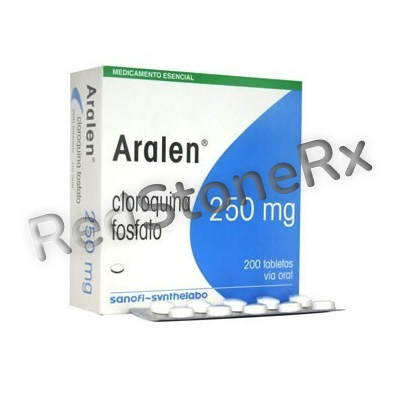
redstonerx-au.com ships Aralen Generic discreetly to all Australian states and territories. Standard delivery: 4–9 business days.
New South Wales (Sydney, Newcastle, Wollongong, Central Coast) — Victoria (Melbourne, Geelong, Ballarat, Bendigo) — Queensland (Brisbane, Gold Coast, Sunshine Coast, Cairns, Townsville) — Western Australia (Perth, Fremantle, Bunbury, Mandurah) — South Australia (Adelaide, Mount Gambier, Whyalla) — Tasmania (Hobart, Launceston, Devonport) — Australian Capital Territory (Canberra) — Northern Territory (Darwin, Alice Springs).
All orders are dispatched in plain, unmarked packaging with no reference to the contents or sender. A tracking number is provided with every order.
Frequently Asked Questions — Aralen (Chloroquine) in Australia
Which travel destinations still require chloroquine for malaria prevention? Chloroquine remains appropriate for travel to Central America north of the Panama Canal (Mexico rural, Guatemala, Honduras, Nicaragua, Costa Rica, Panama north of Canal), Haiti, Dominican Republic, and parts of North Africa and the Middle East. It is not appropriate for Sub-Saharan Africa, Southeast Asia, Papua New Guinea, or the Amazon basin — where P. falciparum resistance is widespread. Always consult an Australian travel medicine specialist before any malaria-endemic travel.
What is the difference between chloroquine (Aralen) and hydroxychloroquine (Plaquenil)? Both are aminoquinolines with identical mechanisms of action. Hydroxychloroquine has a lower retinopathy risk at equivalent doses and is PBS-listed for rheumatological indications in Australia — making it the preferred choice for RA and SLE per Australian rheumatologists and EULAR guidelines. Chloroquine is primarily used for malaria where it remains effective. For rheumatological conditions, consult your Australian rheumatologist before choosing between the two.
Why do I need ophthalmological monitoring if taking chloroquine long-term? Chloroquine accumulates in the retinal pigment epithelium over years of use and can cause progressive, irreversible retinopathy — loss of central and peripheral vision. The damage is painless and may not be detected until advanced if monitoring is not done. Annual ophthalmological reviews including OCT and visual field testing from the start of long-term therapy allow early detection and dose adjustment before irreversible damage occurs. Medicare rebates apply for clinically indicated ophthalmological reviews.
Is chloroquine safe to take during pregnancy? Chloroquine is one of the few antimalarials considered compatible with pregnancy in chloroquine-sensitive regions — malaria during pregnancy is significantly more dangerous than the medication. For rheumatological use during pregnancy, hydroxychloroquine is generally preferred as it has a more extensive safety record in pregnancy. Always consult your Australian obstetrician and specialist before taking any medication during pregnancy.
Does chloroquine work for COVID-19? No — large-scale randomised controlled trials (WHO SOLIDARITY, Oxford RECOVERY, and others) have definitively established that chloroquine and hydroxychloroquine provide no meaningful clinical benefit in COVID-19. The TGA, WHO, and Australian health authorities do not recommend chloroquine for COVID-19. If you have COVID-19 and are at high risk, contact your Australian GP about TGA-approved antivirals (Paxlovid, Lagevrio).
How long does delivery to Australia take? Standard delivery to all Australian states and territories takes 4 to 9 business days. All orders arrive in plain, unmarked packaging with no reference to the contents or sender. Every order includes a tracking number.
All information on this page is for general informational purposes only and does not constitute medical advice. Chloroquine phosphate is a Schedule 4 prescription medicine in Australia — always consult a qualified Australian GP, travel medicine specialist, or rheumatologist before use.