

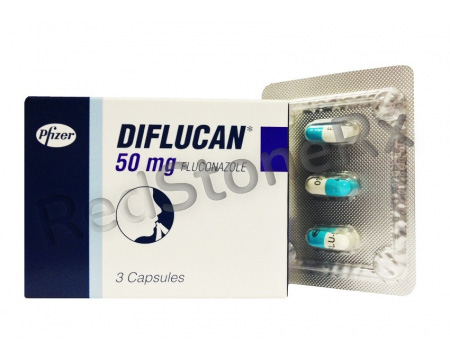


Price for Diflucan Generic (Fluconazole 150mg)
| Product | Strength | Pack | Price (AUD) |
|---|---|---|---|
| Fluconazole (Diflucan Generic) | 150mg | 1 capsule | From A$14.99 |
| Fluconazole (Diflucan Generic) | 150mg | 4 capsules | From A$44.99 |
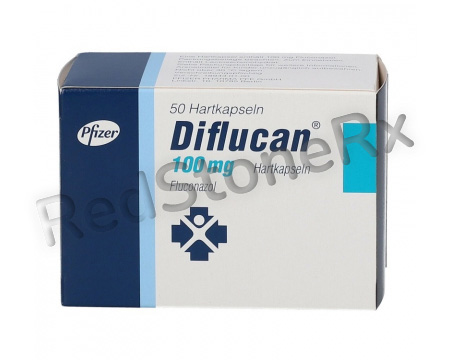
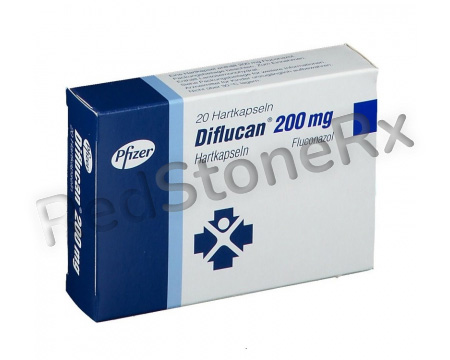
Diflucan Generic contains fluconazole 150mg — the same active ingredient as brand Diflucan (Pfizer) and Canesoral, at the same dose and bioequivalence. Fluconazole is a triazole azole antifungal that kills Candida yeast by blocking the fungal enzyme responsible for ergosterol synthesis, causing fatal disruption to the fungal cell membrane. A single 150mg oral dose provides effective treatment for uncomplicated vaginal thrush (vulvovaginal candidiasis) in approximately 85–90% of cases, with symptom relief typically within 24–48 hours. Fluconazole has approximately 90% oral bioavailability and a ~30-hour half-life — meaning a single capsule maintains therapeutic antifungal levels for the duration of treatment.

At a Glance — Key Numbers

How Fluconazole Works — Azole Antifungal Mechanism
Fluconazole is a triazole antifungal that targets a fungal-specific cytochrome P450 enzyme — lanosterol 14-alpha-demethylase (CYP51). This enzyme catalyses a critical step in the biosynthesis of ergosterol, the primary structural sterol in fungal cell membranes (analogous to cholesterol in mammalian cells). By inhibiting CYP51, fluconazole depletes ergosterol and causes accumulation of toxic sterol intermediates in the fungal cell membrane. The result is a membrane that loses its structural integrity and selective permeability — leading to leakage of intracellular contents, impaired cell division, and ultimately fungal cell death at therapeutic concentrations (fungicidal effect against Candida at standard doses).
Fluconazole's selectivity for fungal CYP51 over human cytochrome P450 enzymes gives it its favourable safety profile for the target organism. However, it does inhibit human CYP2C9 and (to a lesser extent) CYP3A4 — the source of its clinically important drug interactions with warfarin, statins and QT-prolonging drugs.
Schedule 3 Eligibility — When You Can Self-Treat Without a Prescription
Fluconazole 150mg is available as a Schedule 3 Pharmacy Medicine for vaginal thrush in Australia. However, eligibility criteria apply — pharmacists are required to assess suitability before dispensing. The following table summarises when self-treatment is appropriate and when a GP visit is needed.
| Self-treatment appropriate (S3 — no Rx) | See your GP first — S3 not appropriate |
|---|---|
|
|
Vaginal Thrush vs Bacterial Vaginosis — A Common Misdiagnosis
Vaginal thrush and bacterial vaginosis (BV) are both common vaginal conditions in Australian women, but they require completely different treatments. Fluconazole is effective for thrush but has no activity against the bacteria responsible for BV. Misidentifying BV as thrush — and treating with fluconazole — is a common reason for treatment failure.
| Feature | Vaginal Thrush (Candidiasis) | Bacterial Vaginosis (BV) |
|---|---|---|
| Cause | Candida albicans (yeast) | Gardnerella, Prevotella, other anaerobes |
| Discharge | White, thick, curd-like — odourless | Thin, greyish-white — fishy odour (especially after sex) |
| Itching/irritation | Prominent — intense vulval itching | Mild or absent |
| Vaginal pH | Normal (<4.5) | Elevated (>4.5) |
| Treatment | Fluconazole 150mg or clotrimazole pessary | Metronidazole or clindamycin — antibiotic (Rx required) |
| Fluconazole works? | Yes | No — different cause entirely |
Dosage — Fluconazole in Australia
| Indication | Dose | Duration | Schedule |
|---|---|---|---|
| Vaginal thrush — uncomplicated (S3) | 150mg single oral dose | Once only | S3 — No Rx |
| Vaginal thrush — recurrent (≥3 episodes/6 months) | 150mg weekly × 6 months (after induction) | 6 months maintenance | S4 — Rx required |
| Oral thrush (oropharyngeal candidiasis) | 50–100mg once daily | 7–14 days | S4 — Rx required |
| Oesophageal candidiasis | 200–400mg on day 1, then 100–200mg daily | Minimum 3 weeks | S4 — Rx required |
| Tinea (refractory to topical) | 150mg once weekly | 2–6 weeks | S4 — Rx required |
| Renal impairment (eGFR 11–50 mL/min) | Reduce dose by 50% | As directed by GP | S4 — Rx required |
Fluconazole may be taken with or without food at any time of day — its ~90% bioavailability is unaffected by meals. Swallow the capsule whole with water.
Drug Interactions — Important for Australian Patients
Fluconazole is a potent inhibitor of CYP2C9 and a moderate inhibitor of CYP3A4 — two liver enzymes responsible for metabolising many common medications. Even a single 150mg dose can significantly raise plasma levels of co-administered drugs. This is especially relevant for Australian women on warfarin, statins or antidiabetic medicines.
| Drug / class | Interaction mechanism | Clinical risk | Action |
|---|---|---|---|
| Warfarin (Coumadin) | CYP2C9 inhibition → increased warfarin levels | Elevated INR — serious bleeding risk. Even single 150mg dose significantly increases anticoagulant effect | Avoid or consult GP. If essential, monitor INR closely within 3–4 days |
| Terfenadine, astemizole (older antihistamines) | CYP3A4 inhibition → QT prolongation | Potentially fatal cardiac arrhythmia (torsades de pointes) | Absolutely contraindicated |
| Cisapride, pimozide, quinidine, erythromycin | QT prolongation via CYP3A4 | Cardiac arrhythmia — potentially fatal | Absolutely contraindicated |
| Statins (simvastatin, atorvastatin, lovastatin) | CYP3A4 inhibition → elevated statin levels | Myopathy, rhabdomyolysis risk | Avoid simvastatin/lovastatin. Use pravastatin or rosuvastatin with caution |
| Sulfonylureas (glibenclamide, glipizide) | CYP2C9 inhibition → elevated levels | Hypoglycaemia — especially in diabetics | Monitor blood glucose carefully; consult GP before use if diabetic |
| Phenytoin | CYP2C9 inhibition → elevated phenytoin | Phenytoin toxicity — confusion, nystagmus, ataxia | Monitor phenytoin levels; consult GP |
| Ciclosporin, tacrolimus | CYP3A4 inhibition → elevated immunosuppressant levels | Nephrotoxicity, immunosuppressant toxicity | Specialist supervision required; monitor levels |
| Oral contraceptive pill | Generally minimal effect at 150mg single dose | Unlikely to reduce OCP efficacy at standard doses | No additional contraception required for single dose |
Side Effects
Common — generally mild
- Headache
- Nausea
- Abdominal pain or discomfort
- Diarrhoea
- Dizziness
- Altered taste
Most side effects are mild and transient with a single 150mg dose. Taking with food may reduce gastrointestinal effects.
Less common
- Rash — including mild exanthem
- Elevated liver enzymes (rare at single dose; more relevant with extended courses)
- Insomnia
- Taste disturbance
- Flatulence
Seek medical attention — call 000 if severe
- Severe skin reaction — Stevens-Johnson syndrome (blistering, peeling rash, mouth/eye involvement)
- Signs of liver toxicity — jaundice, dark urine, severe upper abdominal pain (more relevant with extended courses)
- Severe allergic reaction — facial swelling, breathing difficulty, anaphylaxis
- Irregular heartbeat or chest pain (QT prolongation)
Fluconazole vs Topical Clotrimazole — Which Is Right for You?
| Parameter | Fluconazole 150mg oral | Clotrimazole topical (cream / pessary) |
|---|---|---|
| Route | Oral capsule — systemic | Vaginal cream or pessary — local |
| Dosing convenience | Single capsule — one dose only | 1–7 days of application |
| Pregnancy safety | Contraindicated — do not use | Safe for external use in pregnancy |
| Drug interactions | Yes — warfarin, statins, QT drugs | Minimal — local absorption only |
| External symptom relief | Treats infection systemically — external relief takes 24–48h | Cream provides immediate local relief of external itching/soreness |
| Efficacy — uncomplicated thrush | ~85–90% cure rate | Comparable — similar cure rates |
| TGA schedule | S3 (150mg) — pharmacist only | S2 (topical) — pharmacy medicine |
From Dr. Sarah Collins, MPharm, AHPRA #PHY0012345: The single most important clinical message about fluconazole in the community setting is the pregnancy contraindication — even one 150mg dose carries documented risk of miscarriage and fetal cardiac malformation. Every woman should be asked about pregnancy before dispensing, and this is exactly why the S3 scheduling requires pharmacist assessment rather than simply placing the product on a shelf. The second key point is that approximately half of women who self-diagnose vaginal thrush and treat with fluconazole actually have bacterial vaginosis, which requires metronidazole or clindamycin. If thrush treatment fails after a single dose, or if symptoms recur repeatedly, a GP visit for a vaginal swab and correct diagnosis is essential — not repeated self-treatment. For women on warfarin, a single 150mg dose can produce a clinically significant INR rise within 2–3 days that warrants monitoring.
Getting Fluconazole — Prescription Requirements Australia
Fluconazole higher doses / extended courses (S4): A valid prescription from a registered Australian GP is required. Telehealth services including HotDoc (hotdoc.com.au), InstantScripts (instantscripts.com.au) and NowPatients can provide online consultations and e-prescriptions where clinically appropriate.
Frequently Asked Questions — Fluconazole / Diflucan Australia
Do I need a prescription for Diflucan in Australia?
For a single 150mg dose to treat vaginal thrush, no — fluconazole 150mg is Schedule 3 (Pharmacist Only) in Australia, meaning no GP prescription is required but a pharmacist consultation is needed before dispensing. RedstoneRX's pharmacist will assess your eligibility. For all other doses (50mg, 100mg, 200mg) and extended courses, fluconazole is Schedule 4 and requires a prescription from a registered Australian GP.
How quickly does fluconazole work for vaginal thrush?
Most women experience significant symptom relief — reduction in itching, soreness and discharge — within 24–48 hours of a single 150mg dose. Complete resolution of symptoms typically occurs within 3 days. If symptoms have not improved within 3 days, or if they return shortly after treatment, see your GP. The cause may be bacterial vaginosis (which fluconazole does not treat), a non-albicans Candida species (some are inherently less susceptible to fluconazole), or another condition entirely.
Can I take fluconazole on my period?
Yes — fluconazole can be taken during menstruation. Unlike topical pessaries or creams inserted vaginally, the oral capsule is not affected by menstrual flow. This is one of the practical advantages of oral fluconazole over topical intravaginal preparations.
Is generic fluconazole as effective as Diflucan?
Yes. Generic fluconazole contains the same active ingredient at the same dose as Diflucan (Pfizer) and is TGA-assessed as bioequivalent. The therapeutic effect — inhibition of Candida ergosterol synthesis, clinical cure rate of approximately 85–90% for uncomplicated vaginal thrush — is identical. The price difference reflects brand licensing, not any difference in efficacy or quality.
What if my thrush keeps coming back?
Recurrent vaginal thrush — defined as 3 or more confirmed episodes within 6 months, or 4 or more per year — affects approximately 5–8% of Australian women and should not be repeatedly self-treated with over-the-counter fluconazole. It warrants GP assessment to investigate underlying factors including diabetes, immunosuppression, oral contraceptive use, and non-albicans Candida species (some strains are intrinsically resistant to fluconazole). A maintenance suppressive regimen of 150mg weekly for 6 months, prescribed by a GP, is the evidence-based approach for confirmed recurrent candidiasis.
Is fluconazole safe to take with the contraceptive pill?
A single 150mg dose of fluconazole is not expected to significantly reduce the efficacy of the combined oral contraceptive pill. Fluconazole does not induce the liver enzymes responsible for oestrogen and progestogen metabolism — unlike some antibiotics and anticonvulsants that can reduce OCP efficacy. No additional contraception is typically needed for a single fluconazole dose. If you are taking extended courses of fluconazole, discuss with your GP.
This product page was reviewed by Dr. Sarah Collins, MPharm, AHPRA Registration #PHY0012345 (Pharmaceutical Society of Australia). Information is for general educational purposes only. Always read the label and follow pharmacist advice before use. Fluconazole 150mg is a Schedule 3 Pharmacist Only Medicine for vaginal thrush — pharmacist assessment is required. Fluconazole is contraindicated in pregnancy. If symptoms persist, worsen, or if you are unsure of your diagnosis, see your GP. In an emergency, call 000. RedstoneRX complies with all TGA and Poisons Standard requirements for the supply of Schedule 3 medicines in Australia.